Common Redpoll

Common Redpoll (2015)

RBG Arboretum, Hamilton. ON. December 2nd 2020. Goodness knows I’m not a winter enthusiast, but you wouldn’t know it after these last two days. It’s as if I took one look at the snow and was layered up and ready to go. Yesterday was one of the best ever and today, although not quite as magical, was time well spent too. Birds or not, it was easy to love places like this woodland path with blown snow dusting the way ahead.
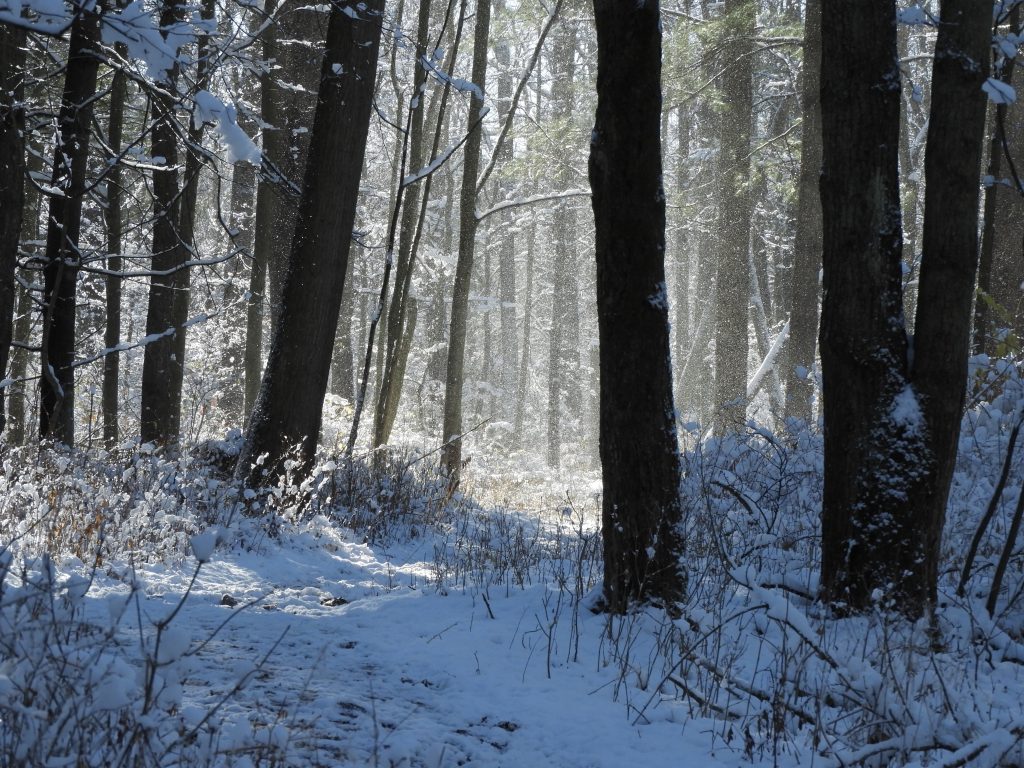
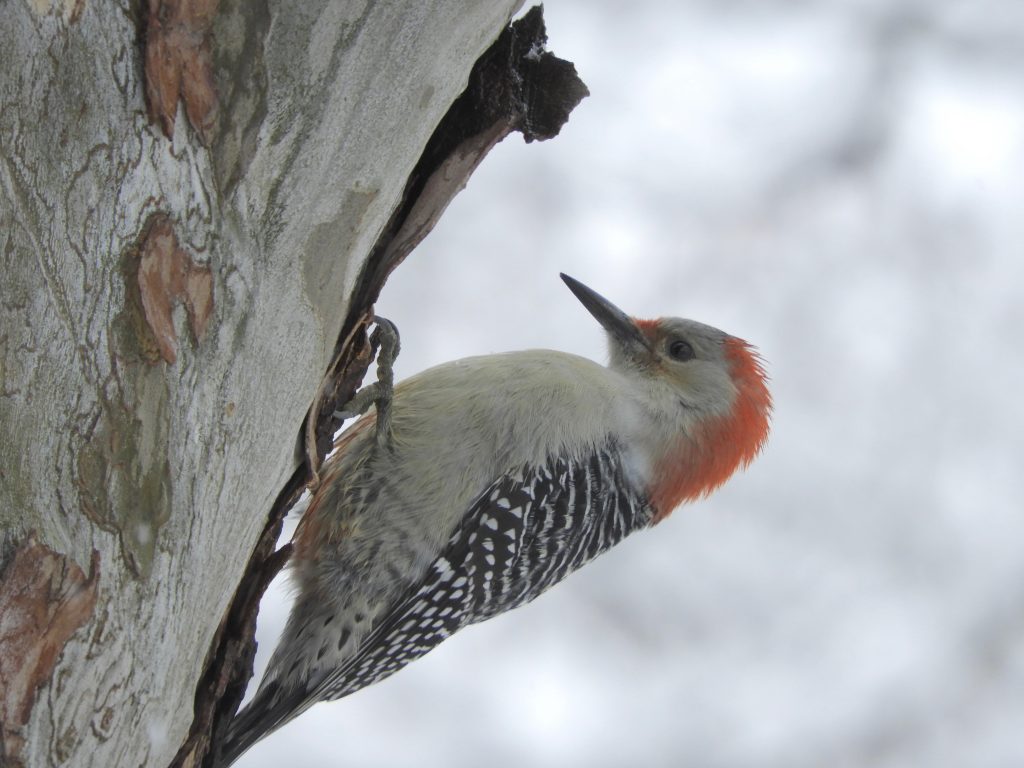
There weren’t many birds for a while. I had expected more in the ornamental pines, spruces and firs but nothing showed until I came to a quiet and sheltered dip in the trail where some kind soul had left a  small cache of sunflower seed. Here was a busy group of Dark-eyed Juncos, Black-capped Chickadees, Northern Cardinals and American Tree Sparrows. I watched and waited quietly, they weren’t at all sure about me at first. Eventually we all relaxed and a Blue Jay or two arrived and then came this gorgeous male Redbellied Woodpecker. The spell was broken by the approach of birder friend. We swapped stories and sightings (such as they were), wished each other well and went on our way.
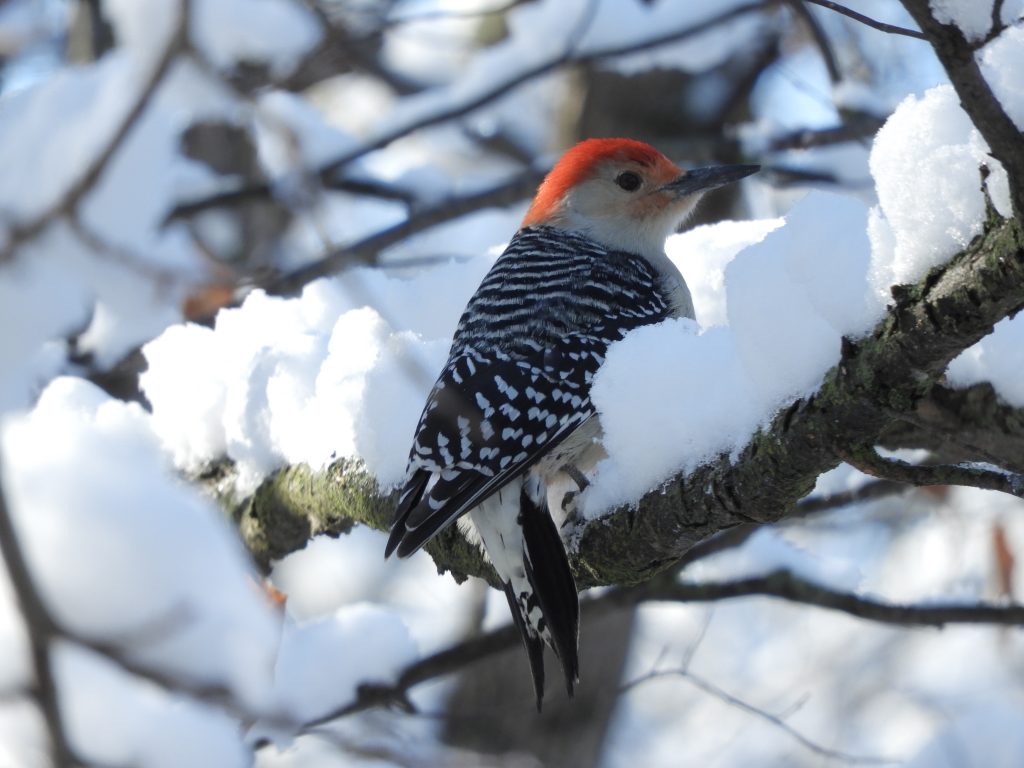
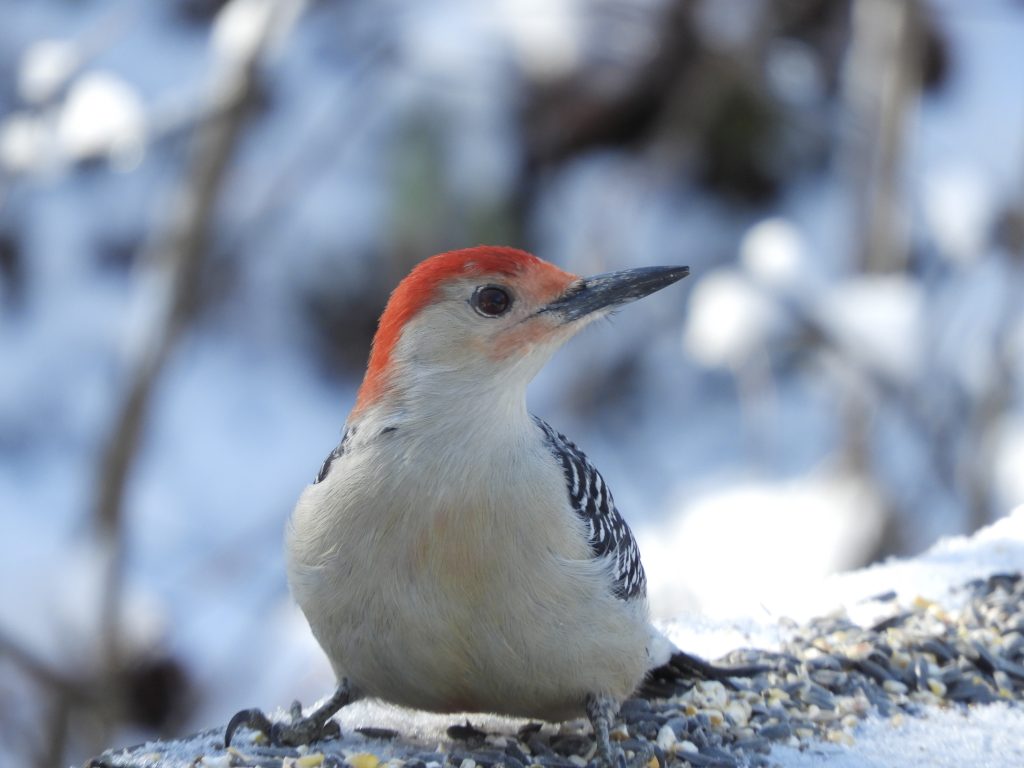
Red-bellied Woodpecker

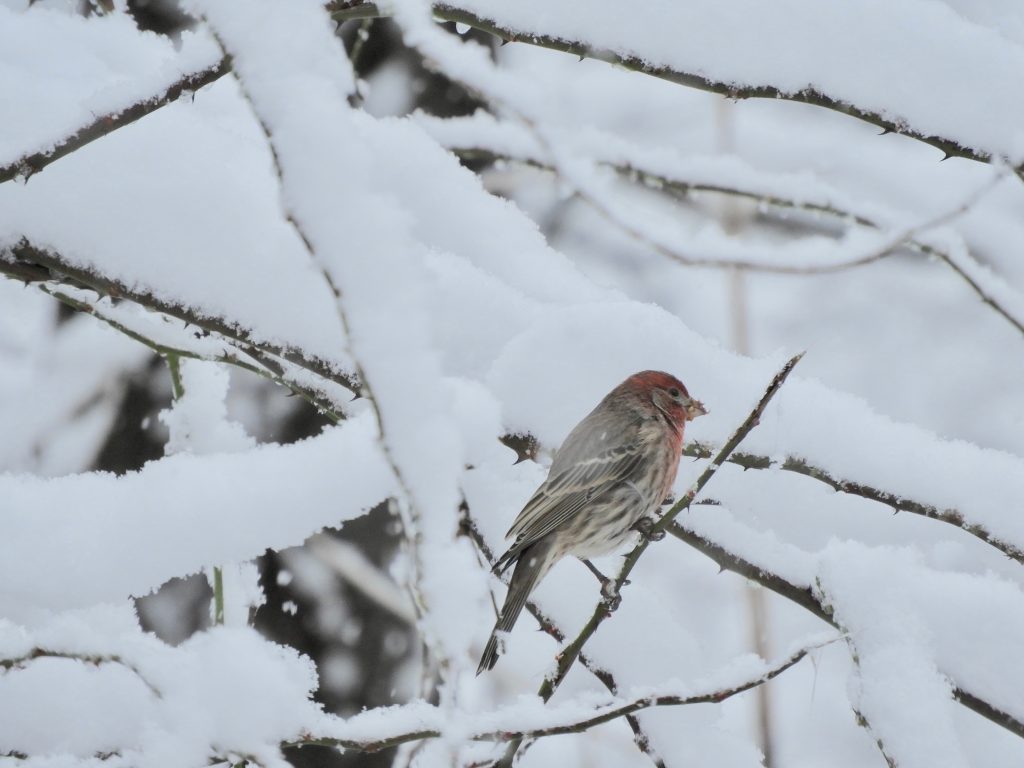
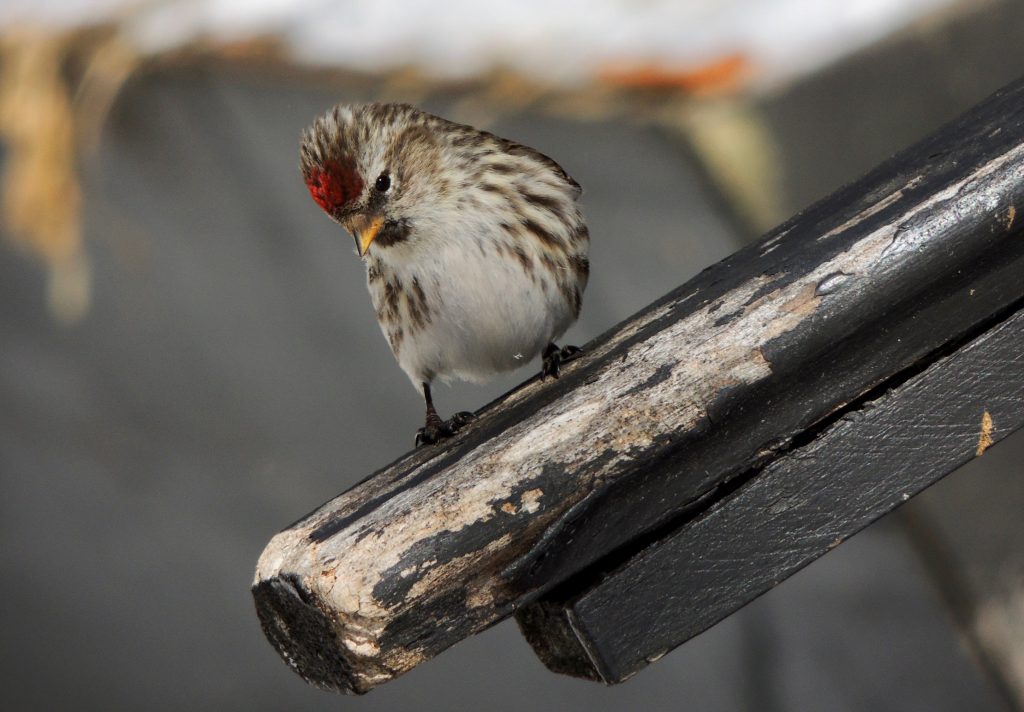
It was much later with the temperature then soaring to 6.C, that I came across what must be My Bird of the Day, a sole Common Redpoll. It was with a small group of American Goldfinches, White-throated Sparrows and American Tree Sparrows who had found a good source of food, berries mostly, in a large pile of shrubby debris. I might not have seen the redpoll had I not been alerted by a sound: unfamiliar, faint, slightly raspy and definitely finch-like. I was lucky to get a fleeting look at the redpoll and even luckier perhaps to get a photo. Not great, but here it is.
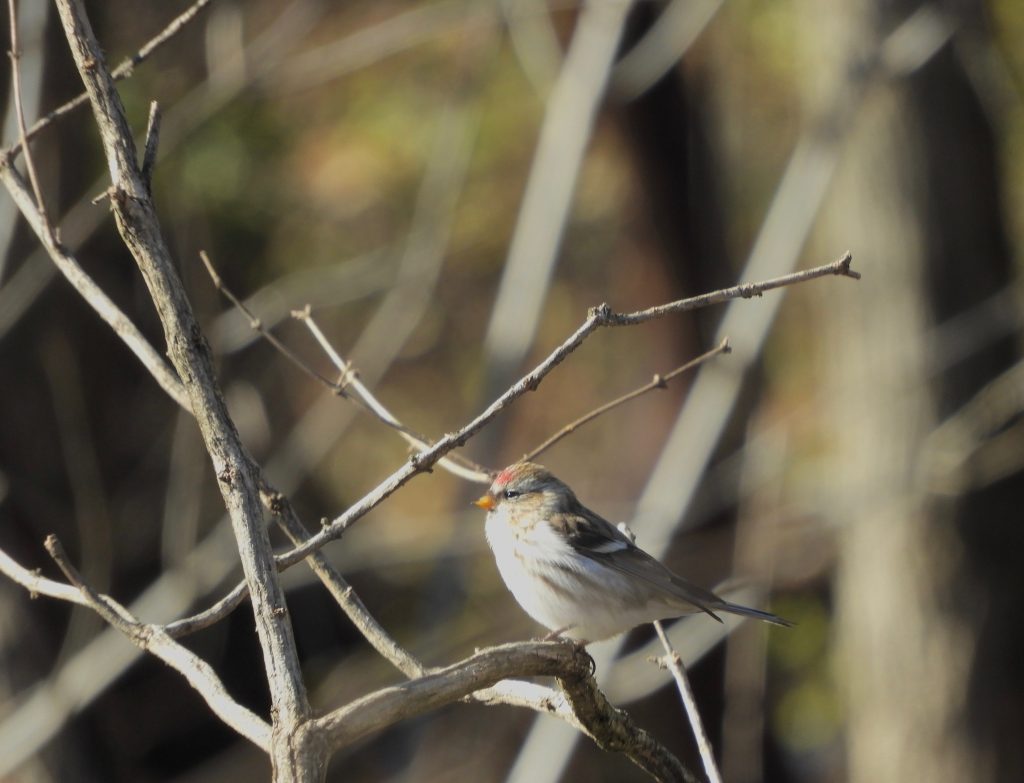
Common Redpolls are irregular winter visitors here. They are common birds of the boreal forests and taiga of North America, Scandinavia and Russia and only make their way south to these latitudes when there is a widespread failure of seed production among high-latitude conifers. So, it is a bit of a treat in those years when they show up – this being one of them. I count myself lucky.
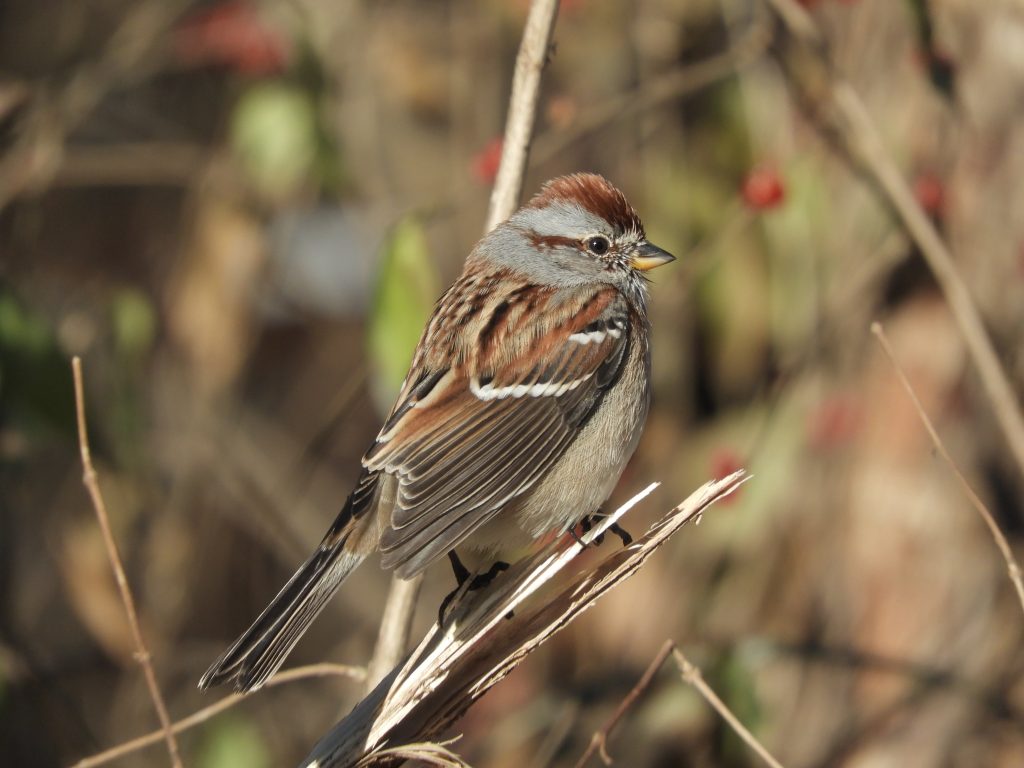
Although my redpoll photo is barely more than a for-the-record shot I was patiently tolerated by this American Tree Sparrow.
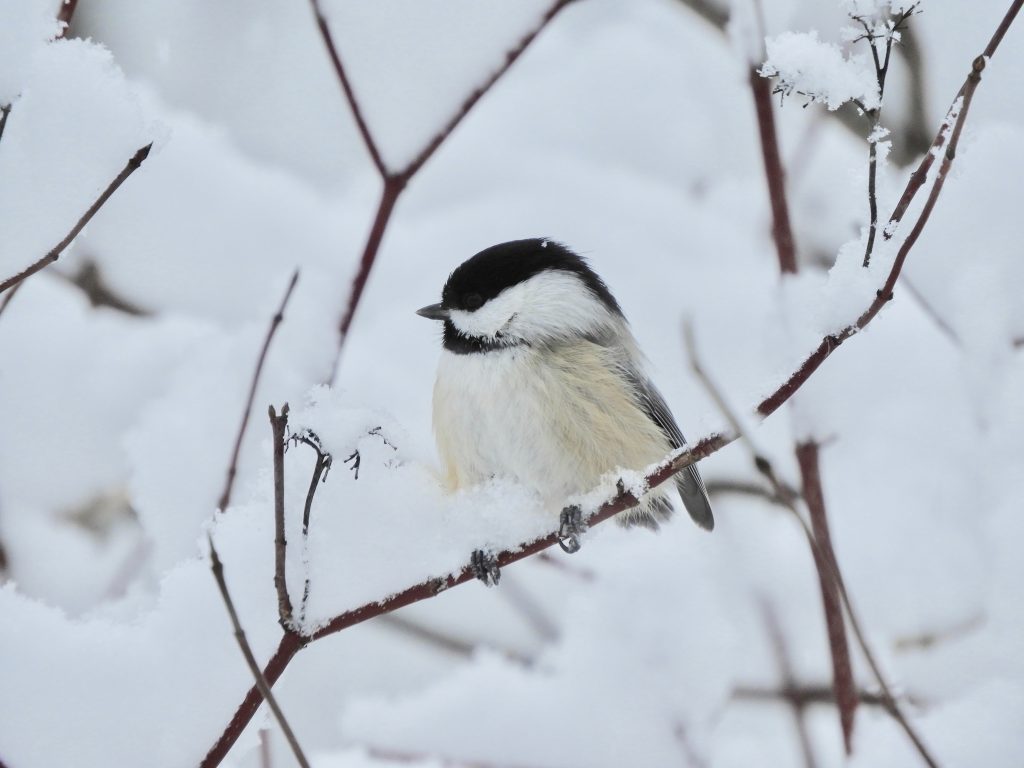
Black-capped Chickadee

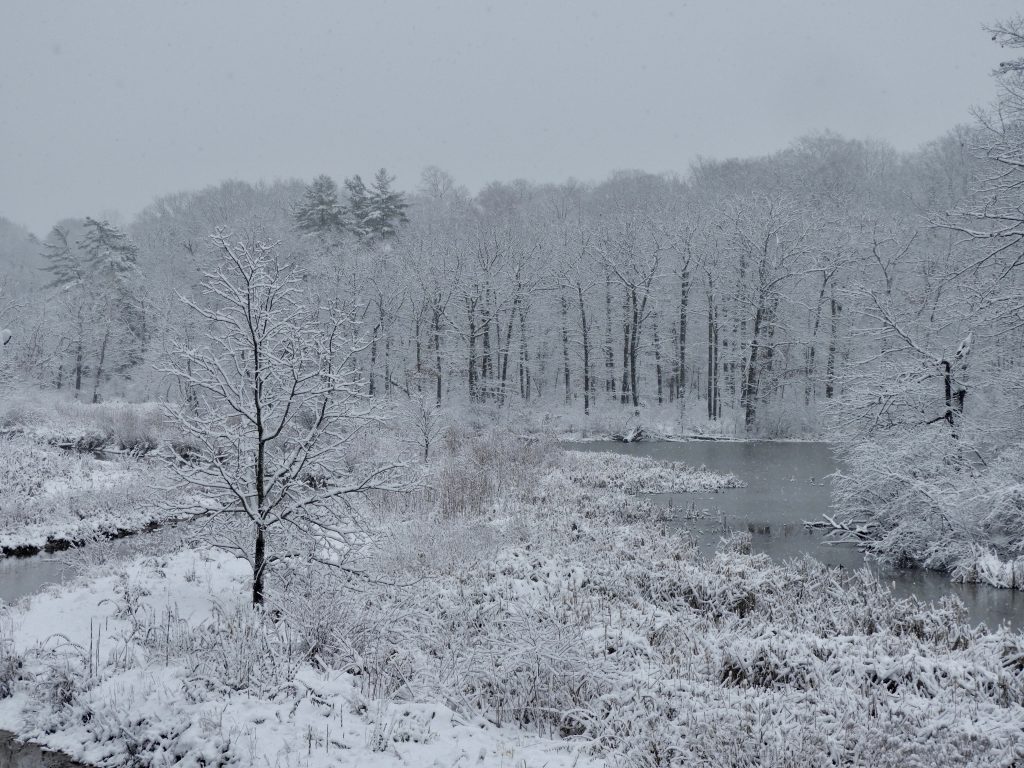
RBG. Hendrie Valley, Burlington ON. December 1st. 2020. Maybe twice a winter we get such an overnight snowfall, one that alights quietly without disturbing the equilibrium of the early hours. Snow that rests gently on each branch, twig and stem so that when daylight comes there are no adequate words to describe it.  I looked out this morning, shivered and my first reaction was, “Well I’m not going out in that!” But on second thoughts I pictured how sensational the valley would be while it lies so still. I dressed for a snow day, swept aside three inches of snow and went.

The Valley

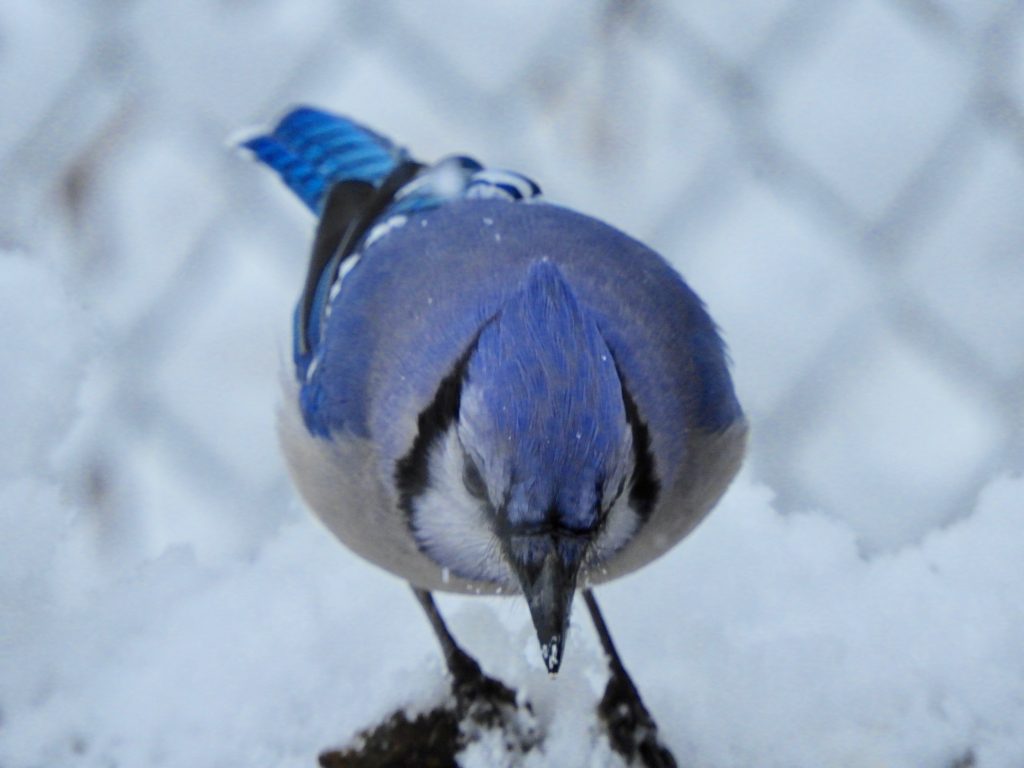
I was not the first to make tracks along the trails but it was so quiet the only sound was the faint hiss of snowflakes touching down. Birds of all the familiar species scattered ahead of me: Mourning Doves, Northern Cardinals, Dark-eyed Juncos, White-throated and American Tree Sparrows, Blue Jays, White-breasted and Red-breasted Nuthatches. They were picking for left-over hand-outs, plentiful along this very popular destination for families with baggies of bird seed (despite the objections of management).

House Finch

Slipping and sliding along a very wet path I surprised a small flock of House Finches, was followed for a while by a Redbellied Woodpecker and pleased by the steady approach of an adult Bald Eagle making its way down the valley’s length.  

Red-bellied Woodpecker

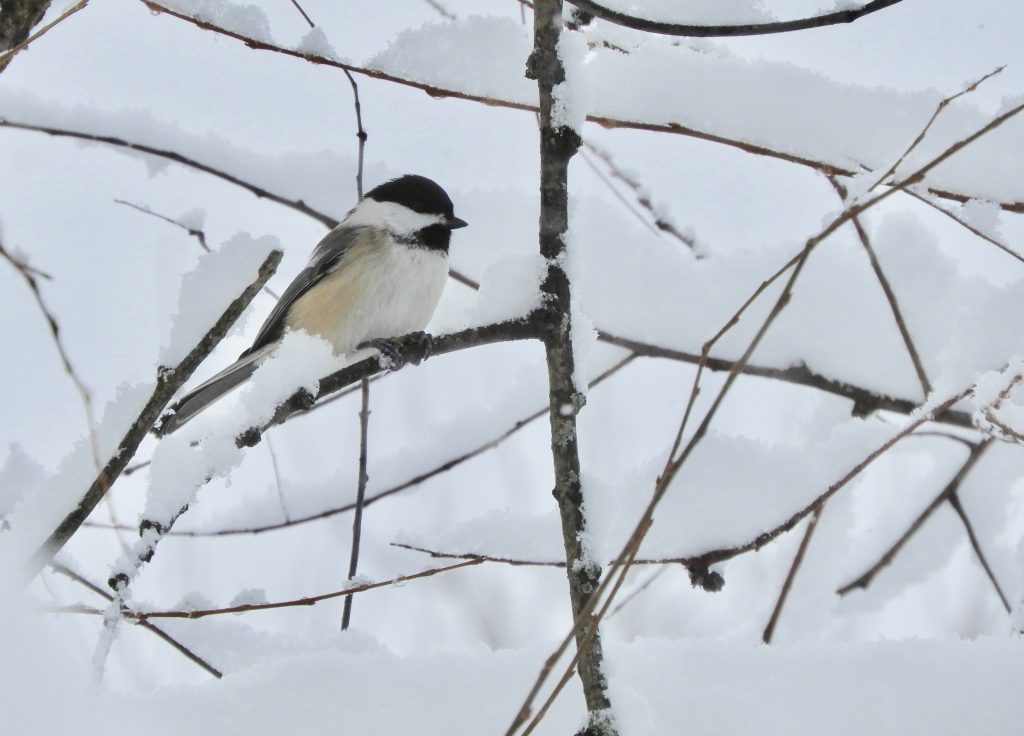
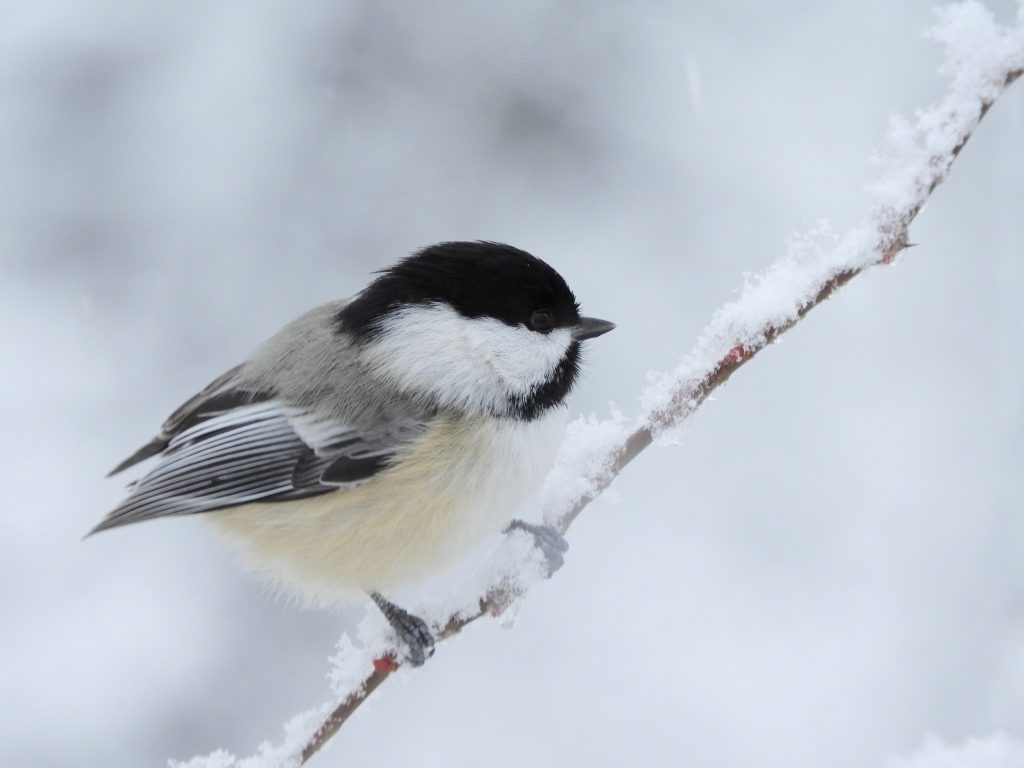
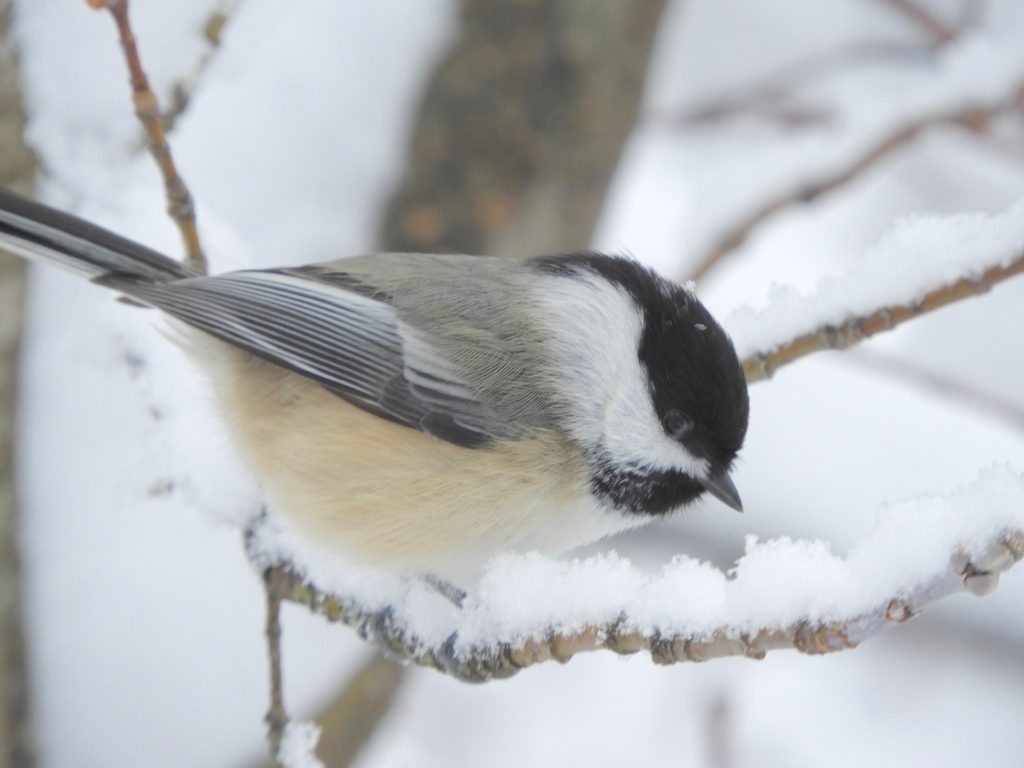
Birds that most of the year get little attention because they seem to be just background noise suddenly became winter studies, this Black-capped Chickadee, for example, was one of many that looked as though it had been made for winter days. For that, chickadees were my Birds of the Day.

The face of the landscape we’d grown used to had changed overnight from stripped and careworn to apparently at ease. But tomorrow’s forecast for is slightly warmer airs so today’s taste of winter may end up as just a full-dress rehearsal.

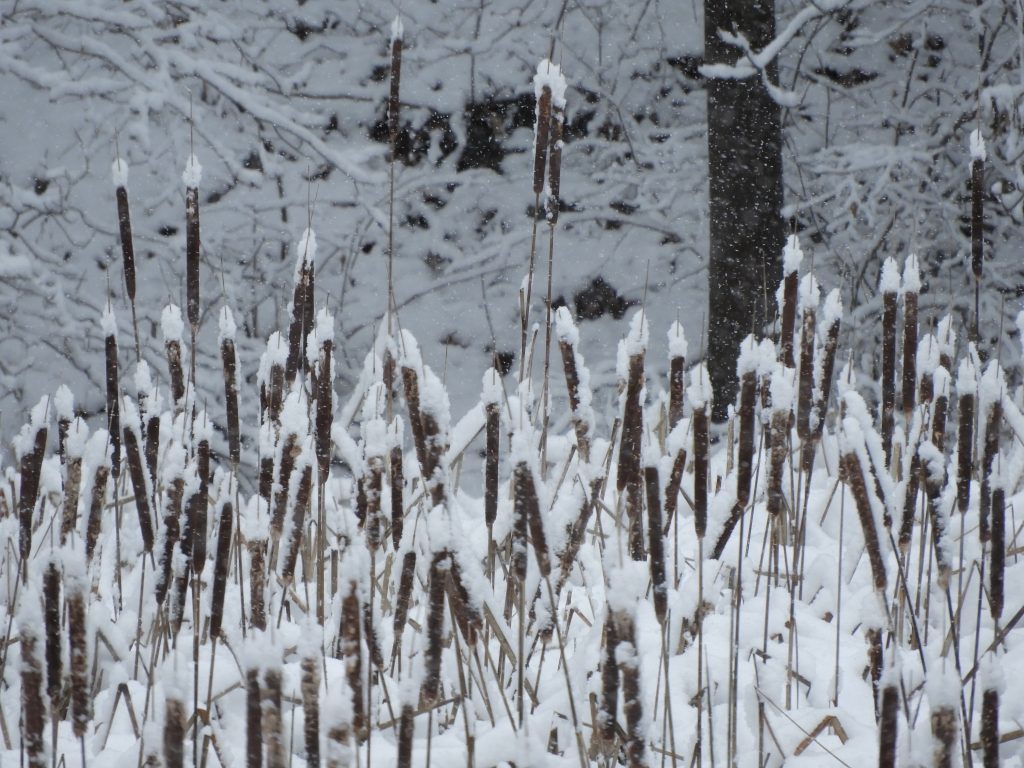
Cattails -aka, Bullrush, Reedmace.

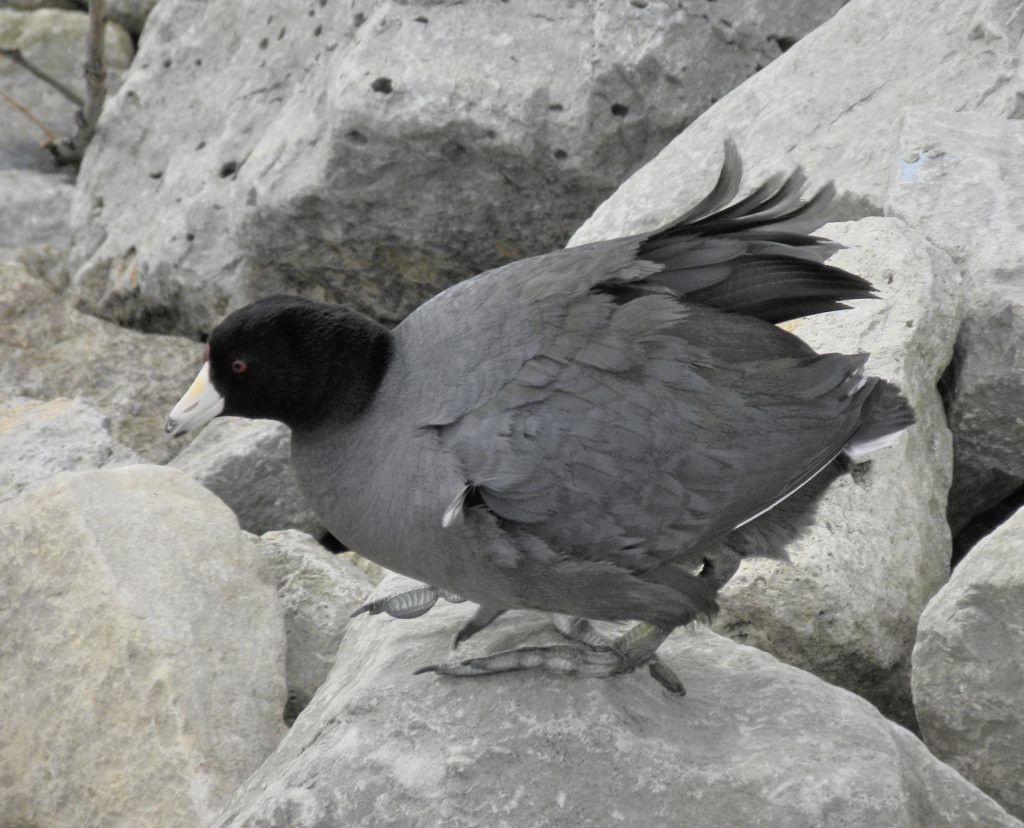
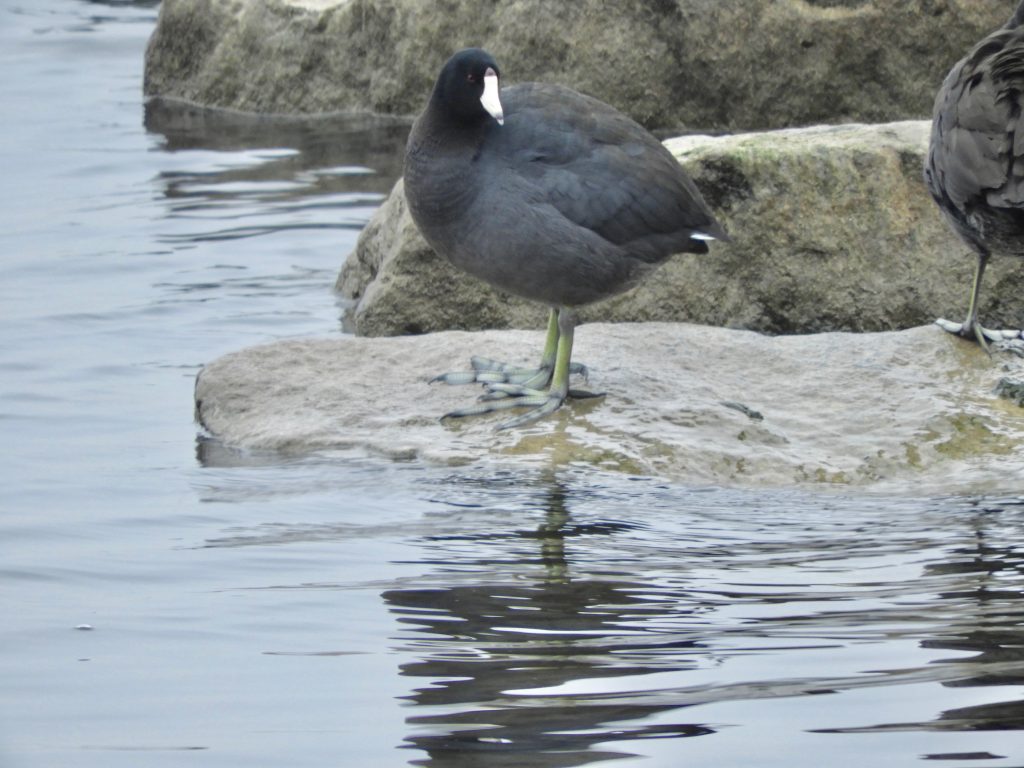
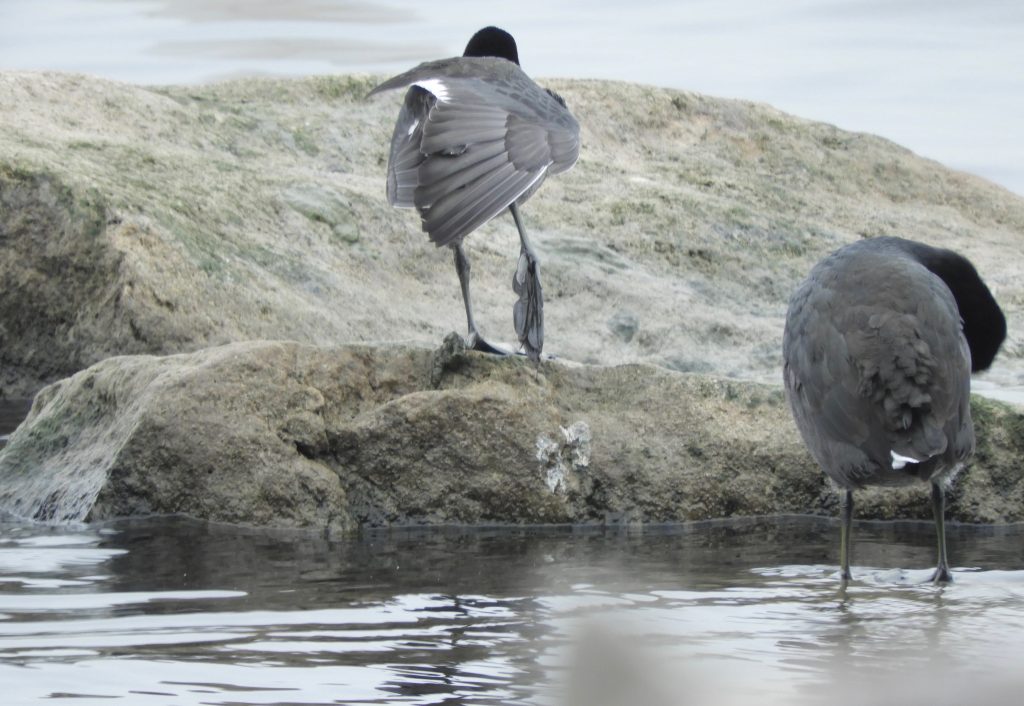
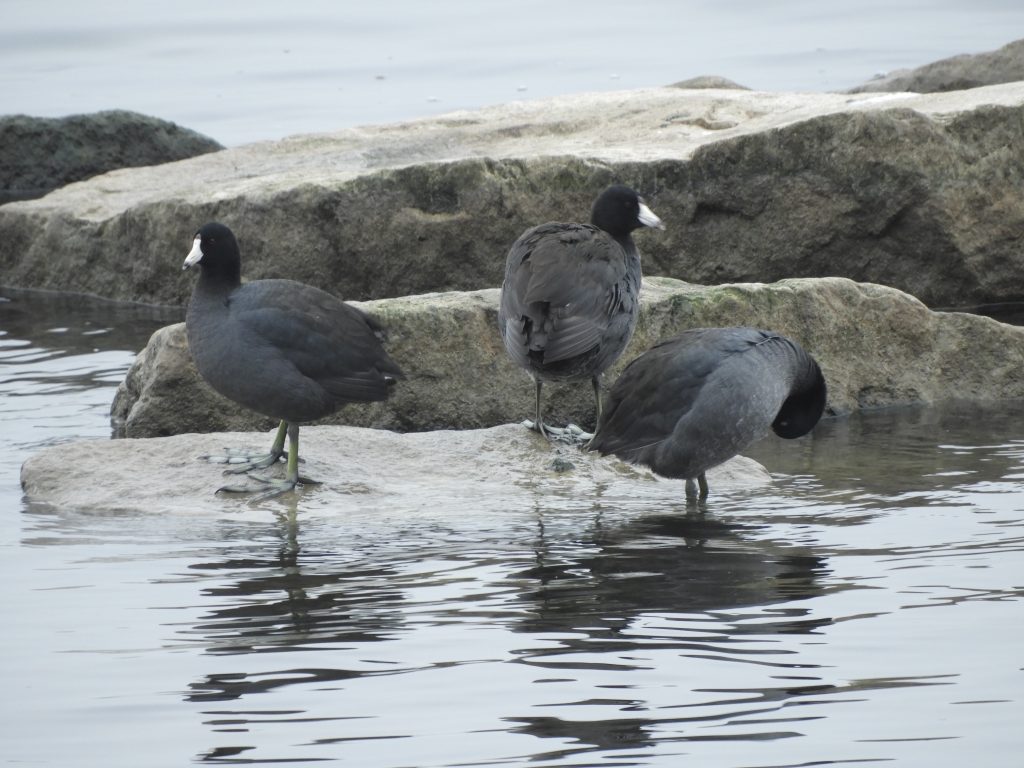
American Coot

Hamilton Harbour, Hamilton,  ON. November 25rd. 2020. I have drafted, redrafted, written, edited and rewritten this post many times. After several hundreds of words mired in a meaningless “Compare and Contrast’ discussion of ducks’ and coots’ feet, I scrapped the whole thing. (But, if you find that narrow topic somehow fascinating, leave me a comment). But really all I’d wanted to do was shine a little light on today’s Bird of the Day, American Coots.

Coots and Moorhens in general, are superficially duck-like inasmuch as they inhabit ponds and lakes, swim around and forage for aquatic vegetation; but they’re not ducks at all. They are members of the very large (159 species), Rail or Rallidae family.  Drawn from that family Virginia Rail, Clapper Rail and Sora –have all brightened these pages from time to time.

Rails are often sweepingly described as chicken-like, which is appropriate for some, but Dodo-like might be more apt for coots; size difference notwithstanding. Take a look at this one.

This day, as I walked a waterside trail, there were many American Coots muddling around at the water’s edge. We see plenty of them through the winter months, but in spring and summer most make their way to the central prairie states and provinces where they find the thickly vegetated, deep-water, pothole habitat they need for breeding.

The day was heavily overcast, there was rain in the air, and it’s late November. All of which is to make the point that the light was low and photography difficult. American Coots are pretty well entirely sombre grey which made it hard for my camera to focus. I took about 50 photos and discarded nearly all, still, not too bad in the end. American Coot – My Bird of the Day.

(Well, I guess I can’t let it go so, touching briefly on the matter of their feet it is passably interesting how evolution has variously adapted the feet of birds that swim:  Webbed feet in the case of ducks, geese, swans, cormorants and gulls, and lobed feet for coots and grebes.  I’m not aware of any studies of comparative swimming efficiency but one thing coots have over web-footed birds is that they are adept at walking and running. And ducks don’t run! Enough!)

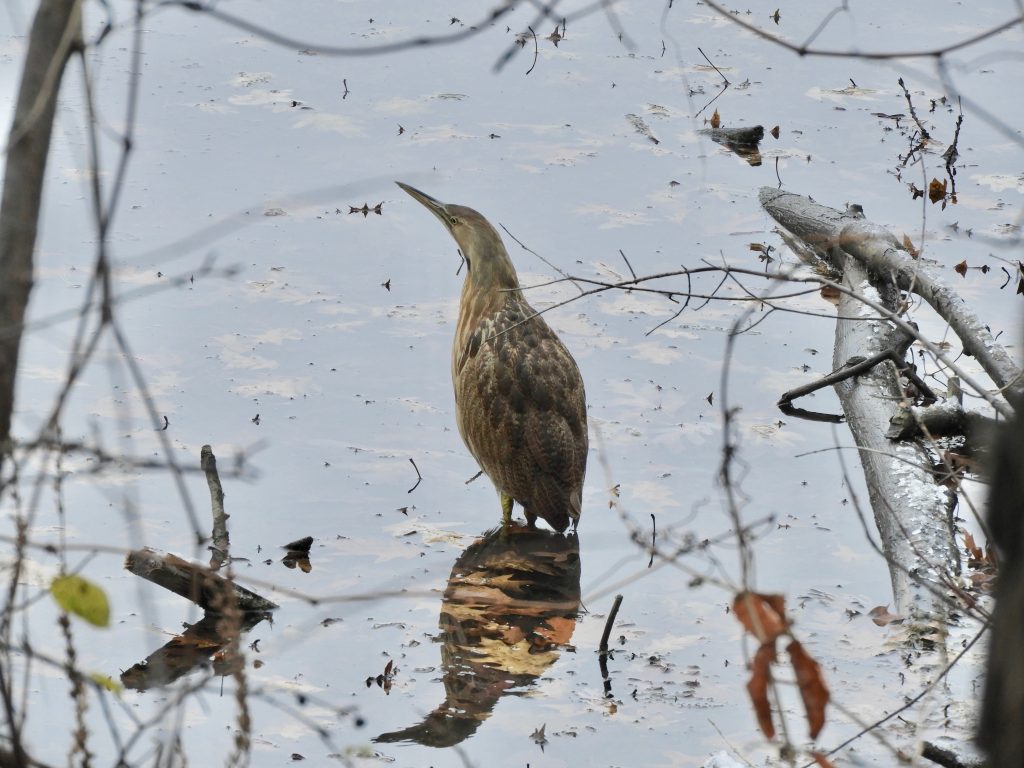
American Bittern

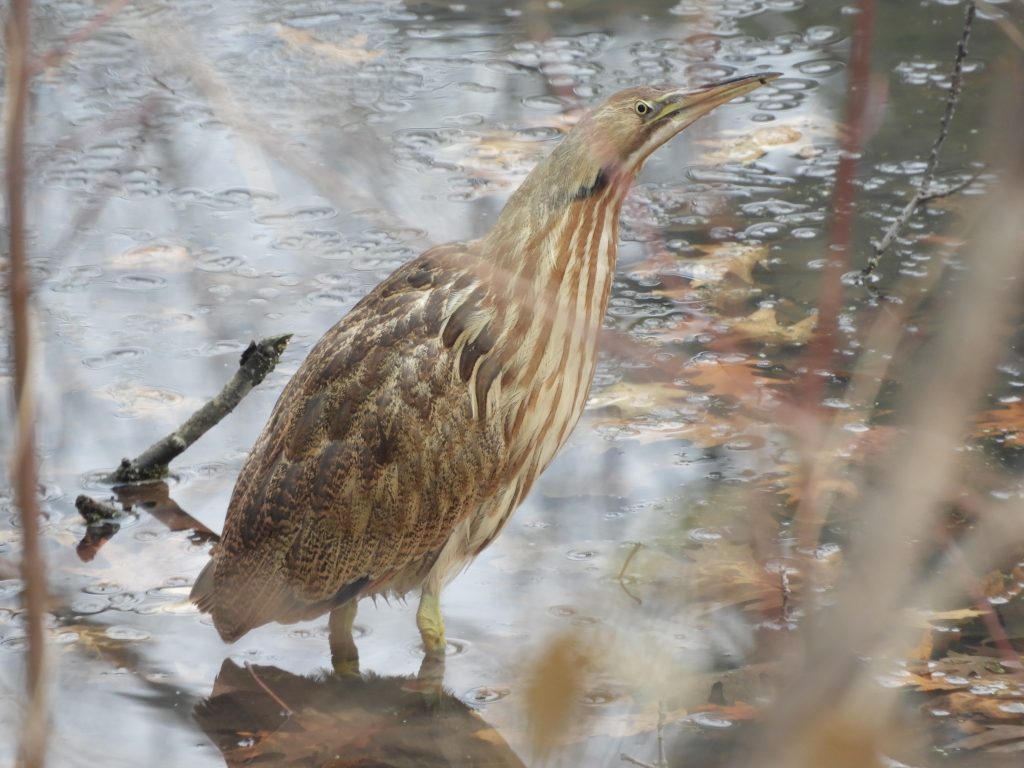
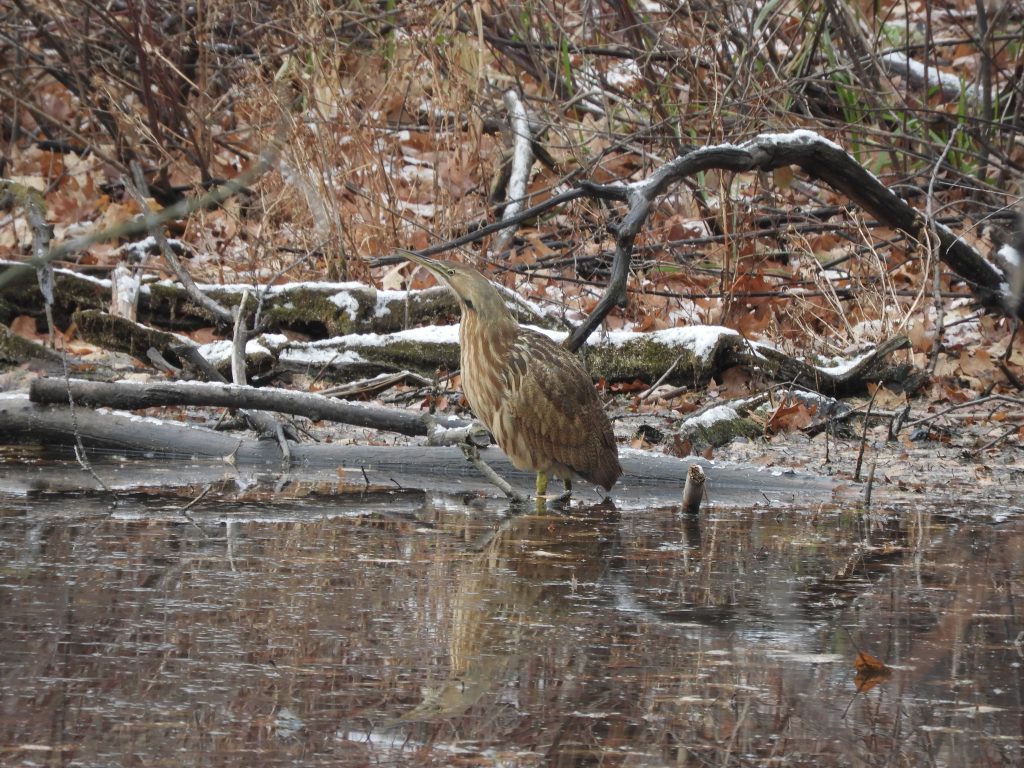
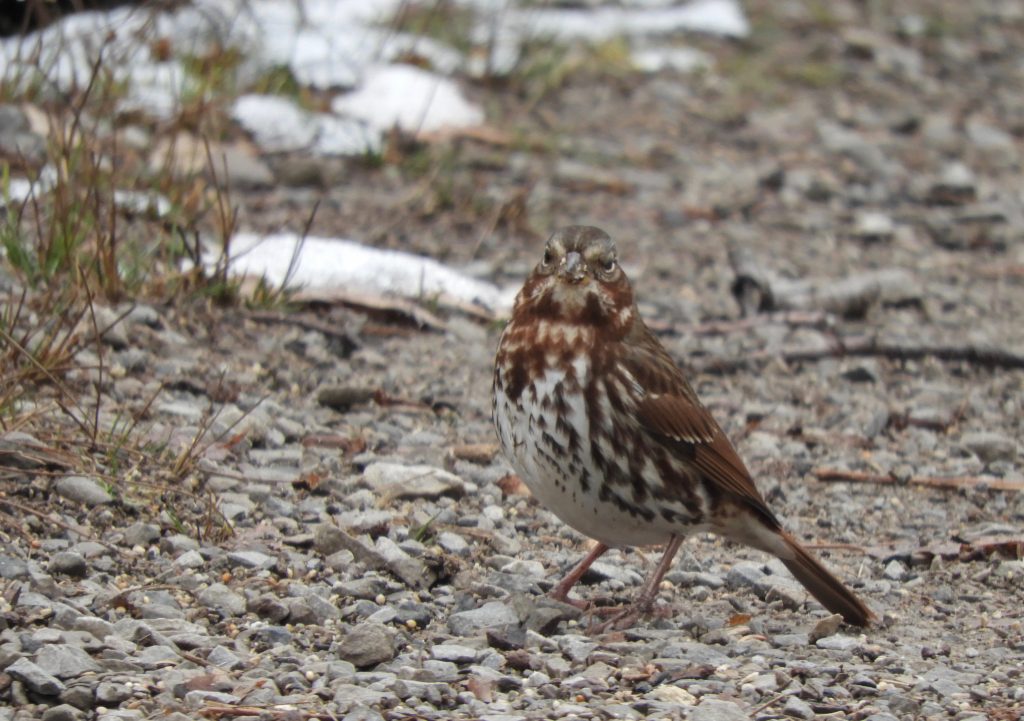
RBG. Hendrie Valley, Burlington ON. November 23rd. 2020. This morning the valley reversed a couple of no-shows from my post of just four days ago. I found the elusive American Bittern (who should know better) and a Fox Sparrow happy to be where there was food to be found. Of course, there was more to the morning than those two: countless Darkeyed Juncos, a handful of Whitethroated Sparrows, several vocal Redbellied Woodpeckers and a devoted pair of American Black Ducks all turned my head. But the foxy and the bittern were especially notable, with the American Bittern clearly My Bird of the Day.

Freakish sightings of birds unsettle me and I view the bittern as doubly freakish: first, because it’s still here when it should be long gone, and second because this normally shy bird was so openly visible close to a much-used trail.  We’ve seen other misfits around here over the years: a way-off-course Brown Booby might still today be fishing the waters of Lake Ontario rather than enjoying the relative comforts of the tropical Pacific; goodness only knows why. 

From early April to the end of October the American Bittern is a bona fide member of our avifauna, but now it should be many hundreds of miles south of us, probably in Florida, a place where winter will be less unyielding. It relies for its diet on spear-fishing in open water for frogs, minnows, crayfish and other wriggly things, but the pond where I saw it today will soon freeze hard. Of course, it could be that it’s just taking a breather and any day now will continue on its way south, but somehow, I suspect it believes that this is it, that this is the Gulf of Mexico.

Whatever its fate, whatever the outcome, an American Bittern is a wonder to see at any time. My encounters have been few, I can recall no more than half a dozen in the last ten years. They’re solitary birds, rather secretive and cryptically invisible in their preferred cattail marsh habitat.

Fox Sparrow

Today’s Fox Sparrow was in a small group of House Sparrows picking for food along a much-used trail where families gather to feed the birds. It wasn’t a stop-me-in-my-tracks type of surprise, but because I hadn’t expected it, it was a delight. Various authorities suggest that some Fox Sparrows linger in south-western Ontario all winter so, maybe it was a lesson learned for me. Fox Sparrows are always engaging having an industrious jump-scratch way of uncovering food in the leaf litter and lovely, deep brown, check-marks on the breast. It could easily have been My Deputy Bird of the Day.

Turkey Vulture

RBG. Hendrie Valley, Burlington ON. November 19th. 2020. It’s been a while since I last set foot in the valley. Blame it on an end to our 2020 transects and the need to catch up on other urgencies of life. I needed the exercise today and few places are as satisfying as this valley, both for birds and scenic value. Despite that, I did not have very high expectations of bird variety; I should have had a little more faith.

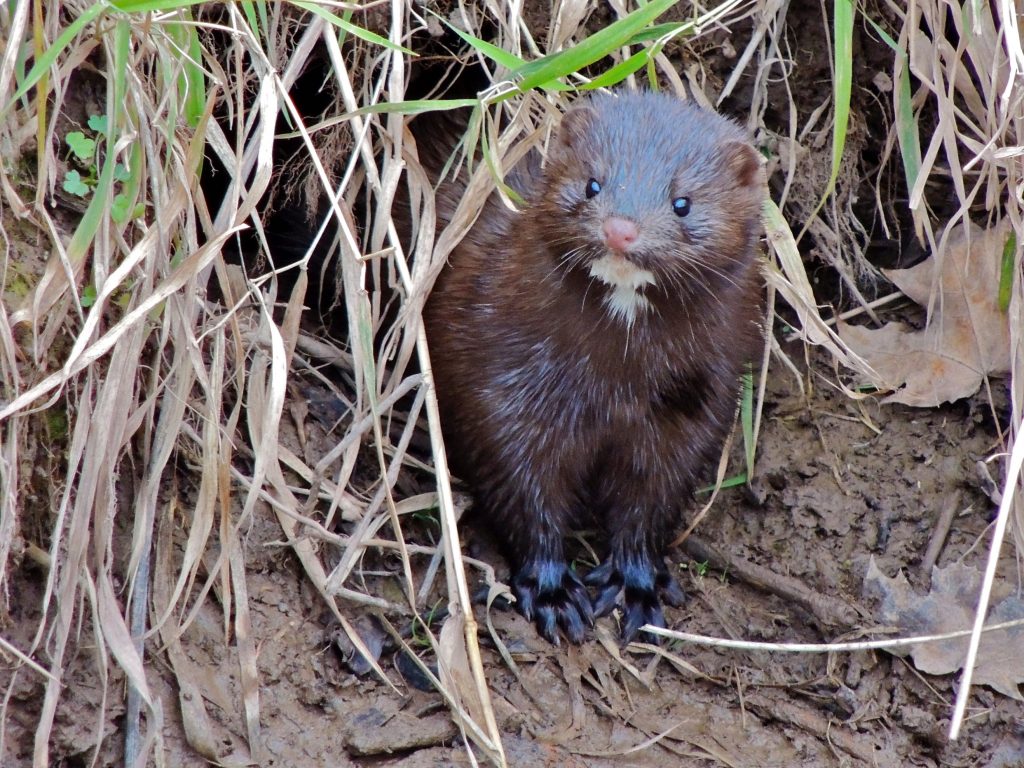
It all started rather tensely when I saw a Mink slide submerged into the river a few feet from a couple of paddling Mallards. I was sure the mink could and would happily catch and devour one of them, but how would it do it? It was worth waiting around for. I was over-dramatizing the situation though, the Mallards paddled confidently away and the mink soon emerged carrying a mollusk or maybe a small fish, shook dry like a retriever and withdrew into the undergrowth. A little disappointed I continued on my way looking for birds.

Mink muses Mallard meal

Half way around I reckoned I’d seen everything probable: Blackcapped Chickadees, Blue Jays, Whitebreasted Nuthatches, Carolina Wrens, Downy Woodpeckers and a Redbellied Woodpecker, it’s mid-November after all. But a then small group of Wood Ducks, surprised me, surely the valley’s last hold-outs, a soaring Bald Eagle and a sudden Hooded Merganser made me re-think the day. It was turning out to be not too bad.

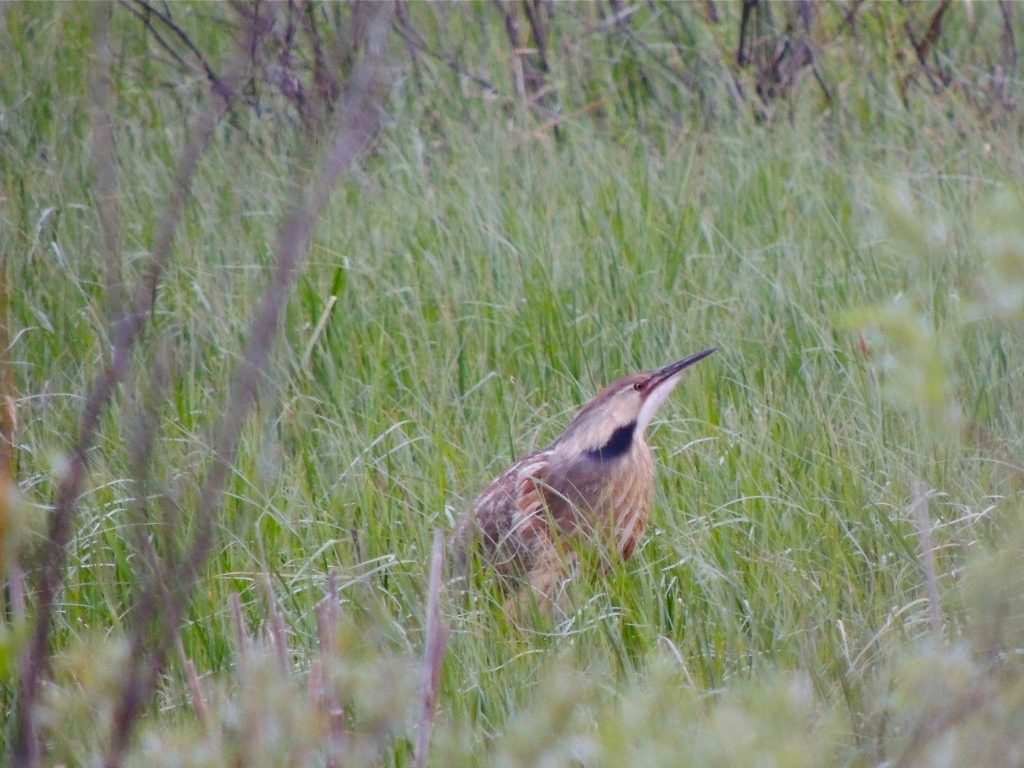
I met up with a small birding group under the leadership of a friend who suggested that quiet patience on my part should reward me with glimpses of an American Bittern. They’d been watching it for several minutes until it finally retreated into the cattail background.  This bittern is a recently arrived, somewhat-out-of-place, sensation. It drew crowds for a few days last week but became old news and was soon forgotten. I waited and watched for perhaps 30 minutes but saw nothing, it doesn’t take much background to hide a bittern. I mused that it might have been a nice Bird of the Day for these pages.

American Bittern. Perfectly camouflaged for somewhere else

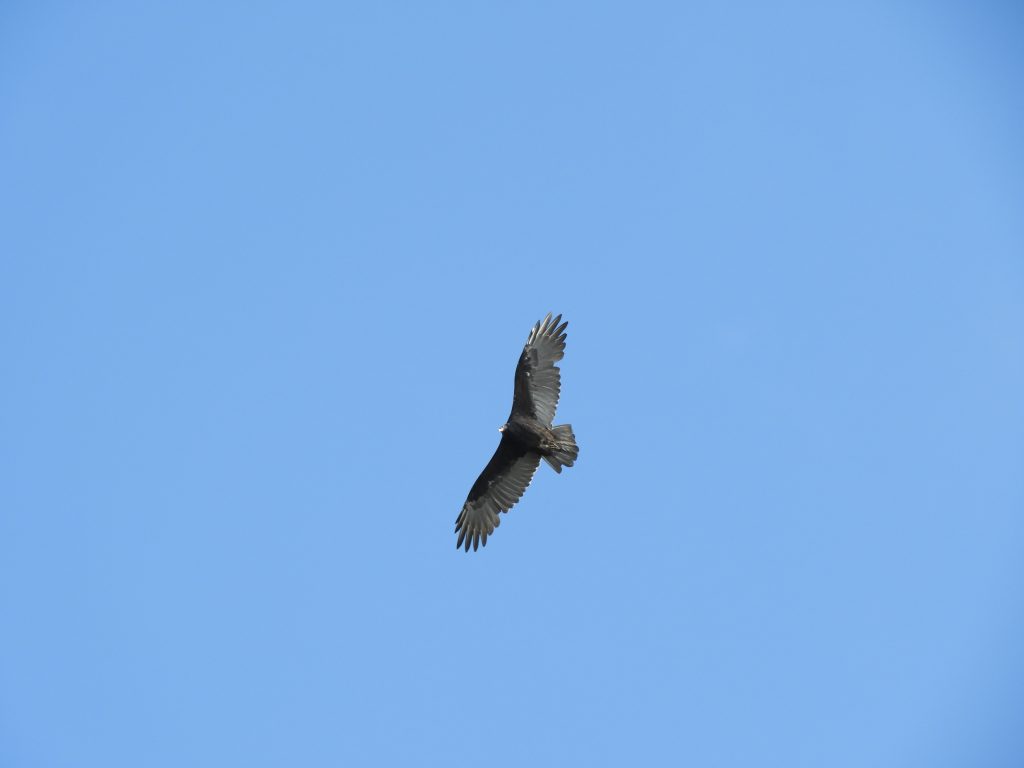
A little later, the above-mentioned friend found me again. He had parted company with his small group and was now on the lookout for Fox Sparrows. I suggested that mid-November might be a little late, but he was in a Find-a-Fox-Sparrow competition with his cousin and was anxious to keep looking, particularly now since she had. As we stood around, idly weighing birdy topics, a Cooper’s Hawk dashed through the now bare branches rightly alarming various House Sparrows, Downy Woodpeckers and Darkeyed Juncos. And as we gazed up a Turkey Vulture drifted across the tree tops.  Eight warmer months of the year a Turkey Vulture wouldn’t turn heads, but now they’ve all gone south, at least I thought they had, but not this one apparently and I was surprised enough to think of it as My Bird of the Day.

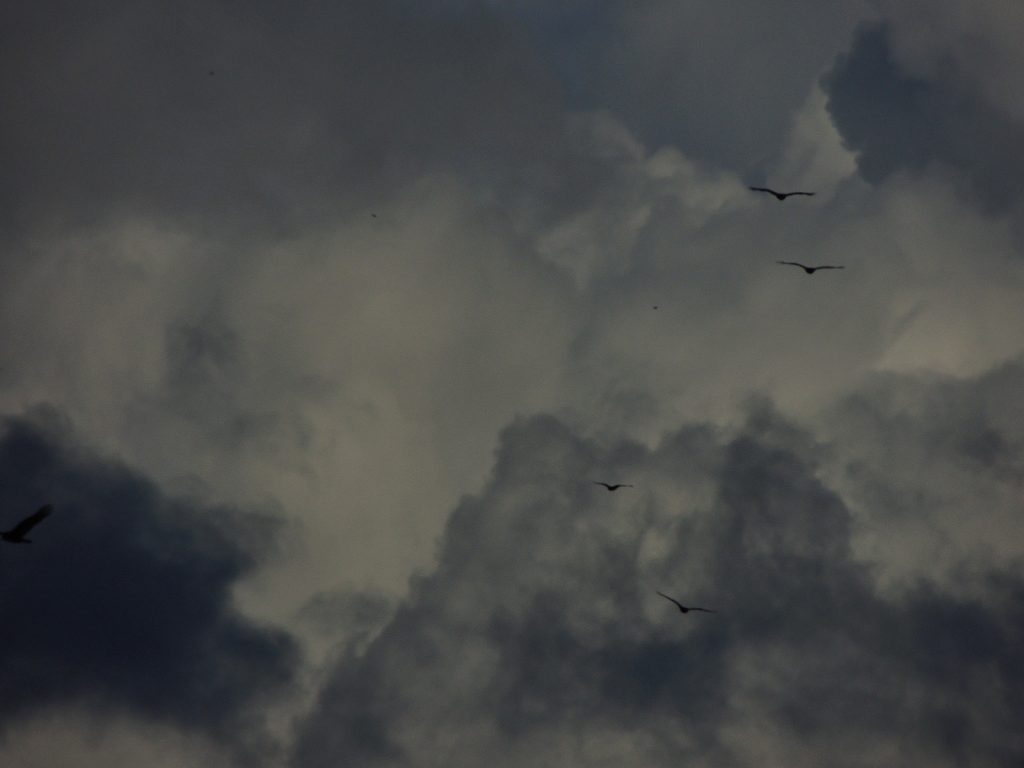
October 23rd 2013. Four vultures hanging in a funereal sky. The sort of setting that somehow suits them.