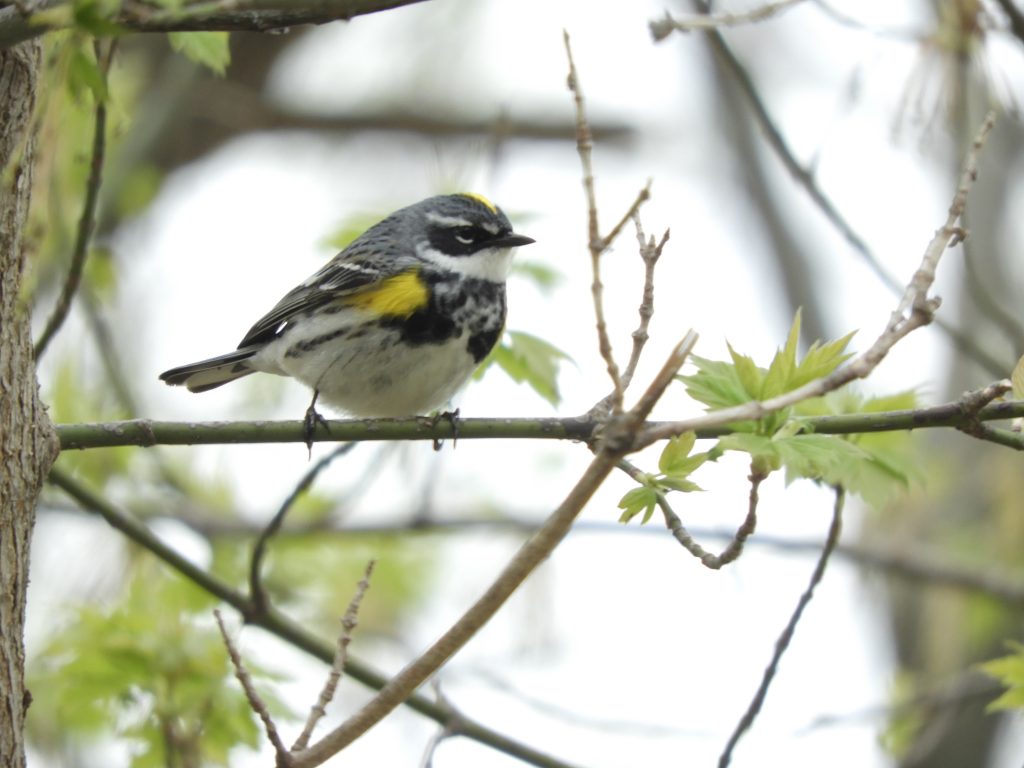
Palm Warblers

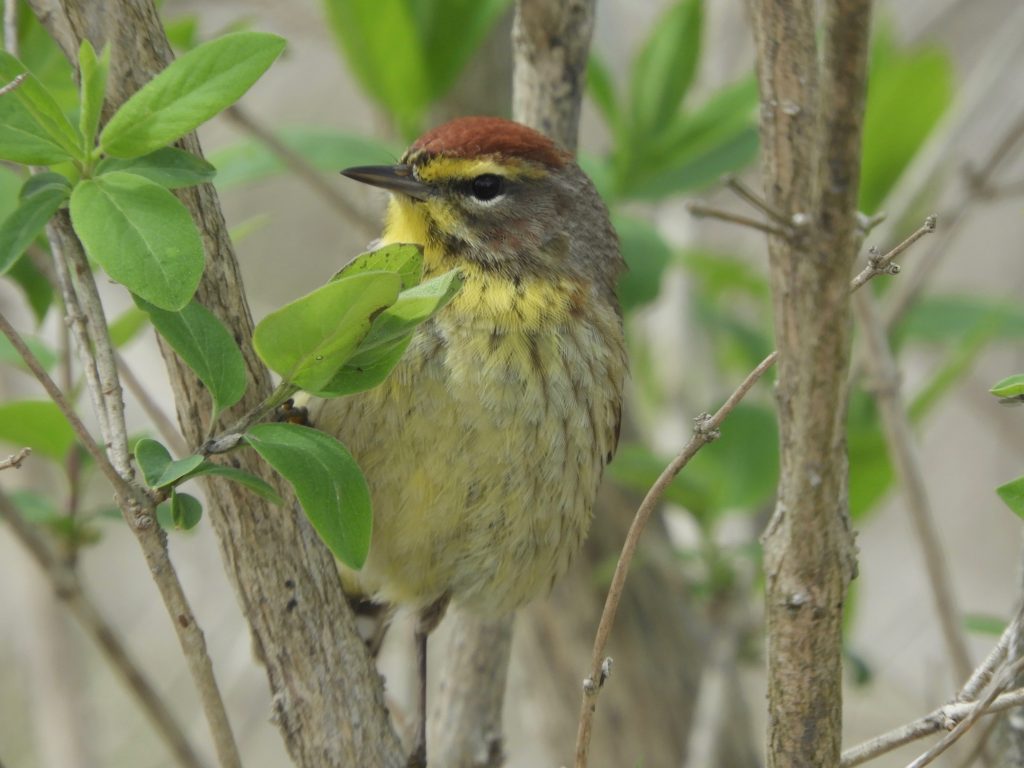
Palm Warbler

Paletta Park, Burlington, ON. May 7th.  2021.  I spent a good part of this afternoon sitting around waiting and watching for birds to drop out of the sky.  A bit of an exaggeration but it’s one way to describe how, sometimes, migrant warblers can be all but absent and then suddenly appear. 

Today’s setting needs explanation. I was sitting on an old wave-washed log about 20 feet inland from the lapping shore of Lake Ontario. This was in a rough and ready corner of the park, a place too subject to storm damage and flooding to keep tended. Around me and arcing overhead were large Cottonwood trees, in front a hopeless tangle of grapes, honeysuckle and storm-tossed flotsam, and completing the picture was a cold on-shore breeze.
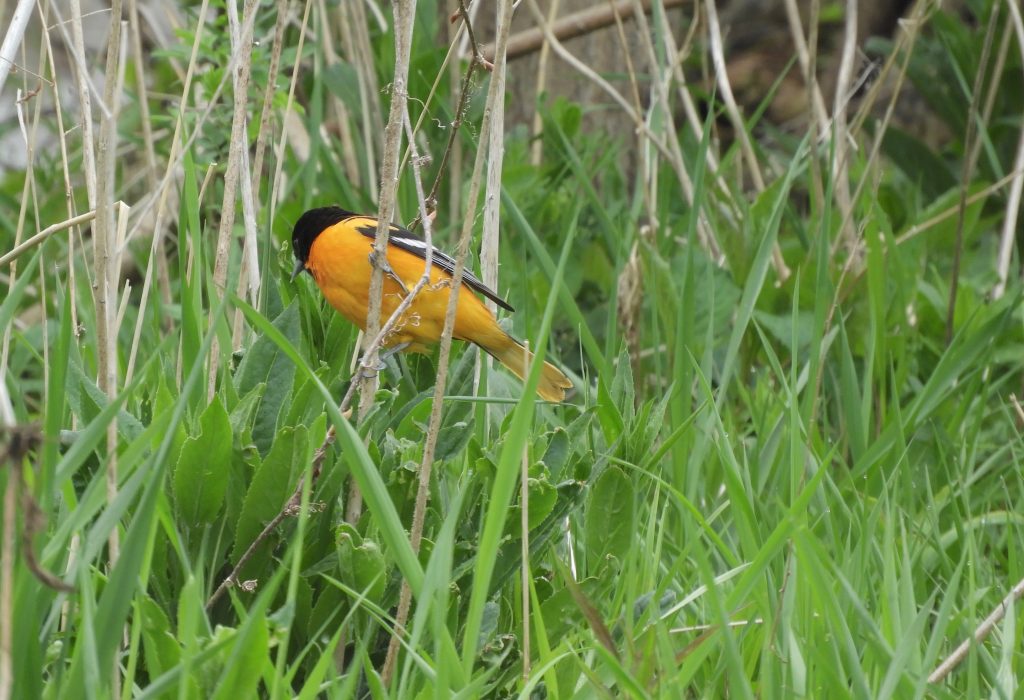
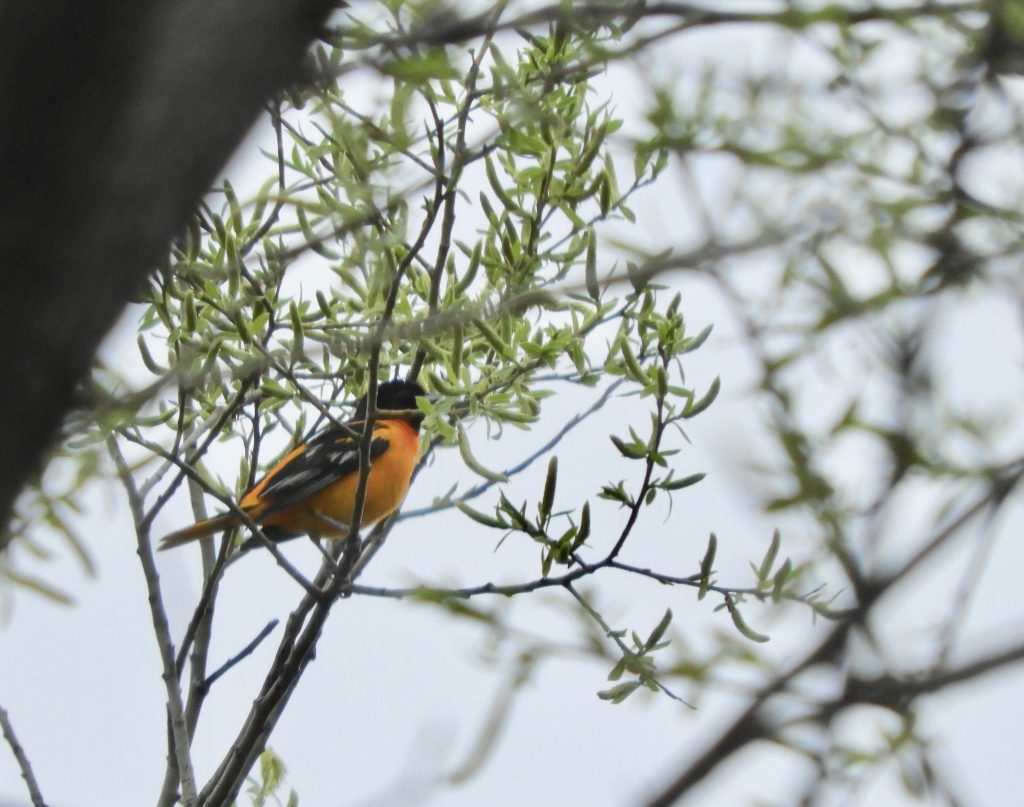
Baltimore Oriole

But that breeze was working for me, I’m sure it was aiding migrant warblers make a corner-cutting jump across the lake. If you were to look out over the lake you might see gulls, cormorants and mergansers on the water but you’d never spot a tiny, airborne warbler heading towards you, but I’m sure they were there. And I think their landfall was those trees and shrubs and vines all around me. So, one minute nothing and the next a Palm Warbler would be picking its way through the cast-ashore debris, then another or maybe three. In time they’d move on, moving inland and might be replaced by more Palm Warblers, a Yellowrumped or a Black & White Warbler; and so it went on for an hour or two, or for as long as I had the patience to stay there.
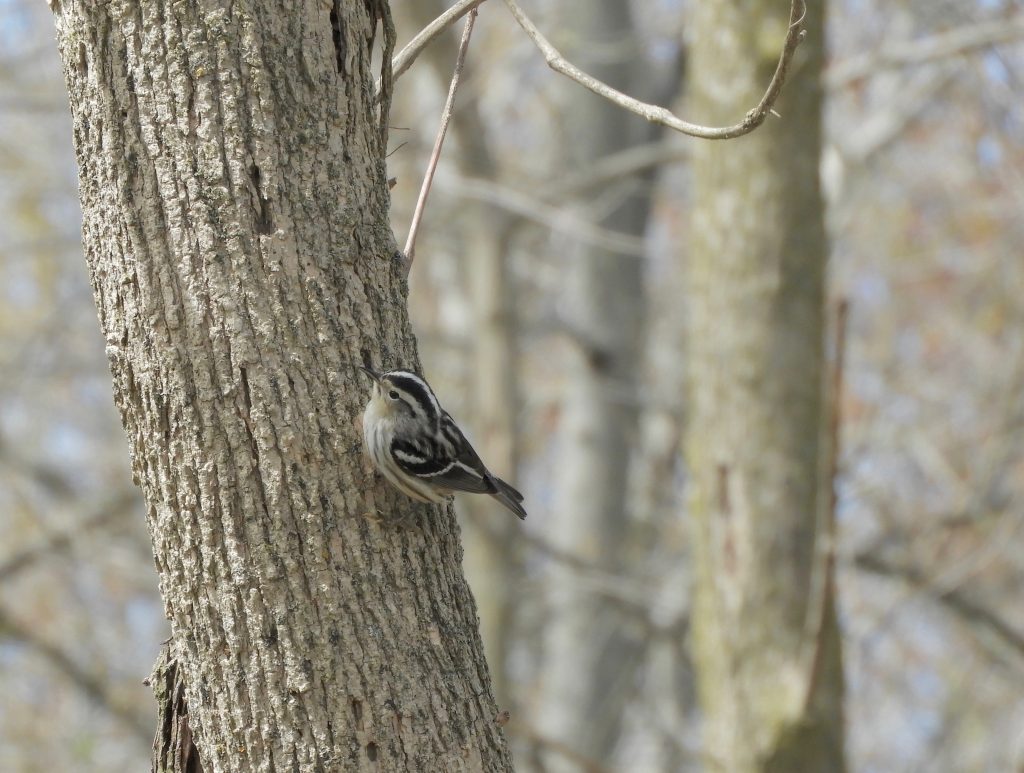
Black & White Warbler
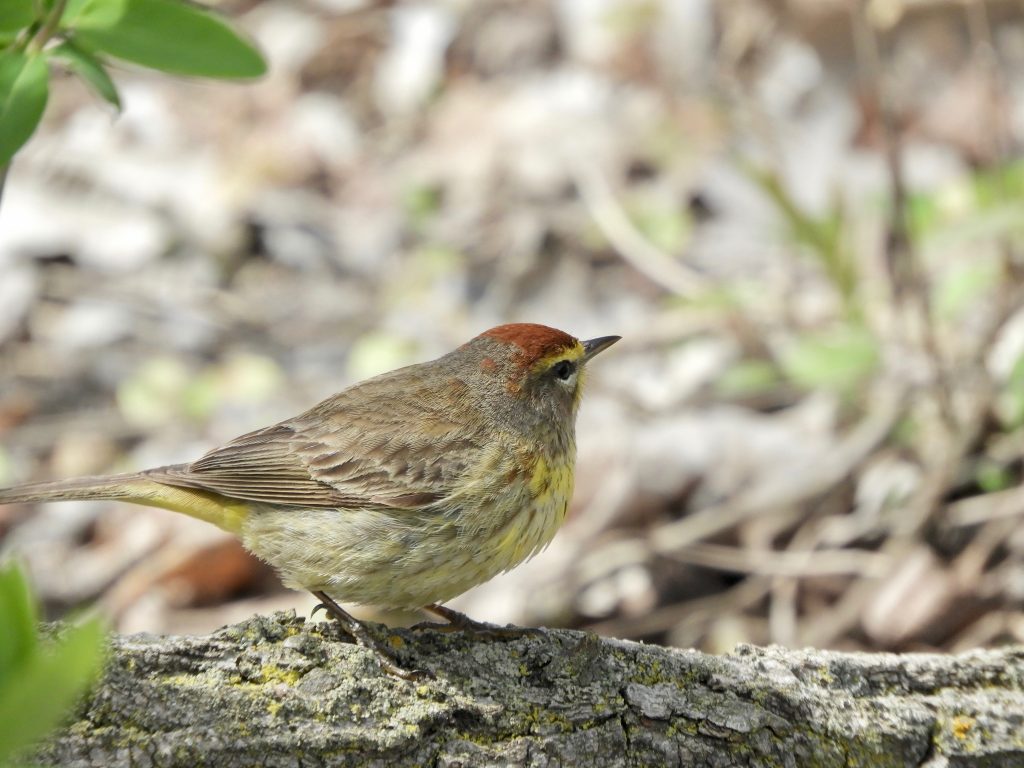
Palm Warbler

There were other birds in the park, each in its own niche: Nashville, Yellow, and Chestnutsided Warblers, Warbling Vireos, Northern Parulas and Baltimore Orioles. My Birds of the Day though were the PalmWarblers, not the showiest warbler, but colourful nevertheless, and one of the first of the family to arrive each spring.  They are almost entertaining in the way they bob their tail as they walk, picking for little insects to fuel the next leap northward. Their journey is about two-thirds done.  They have come from the Gulf Coast regions of the U.S and are heading to the bogs and fens in the boreal forests, a few hundred kilometers to go. I took many photos and, as always deleted most of them but I’ve added a few of the best.
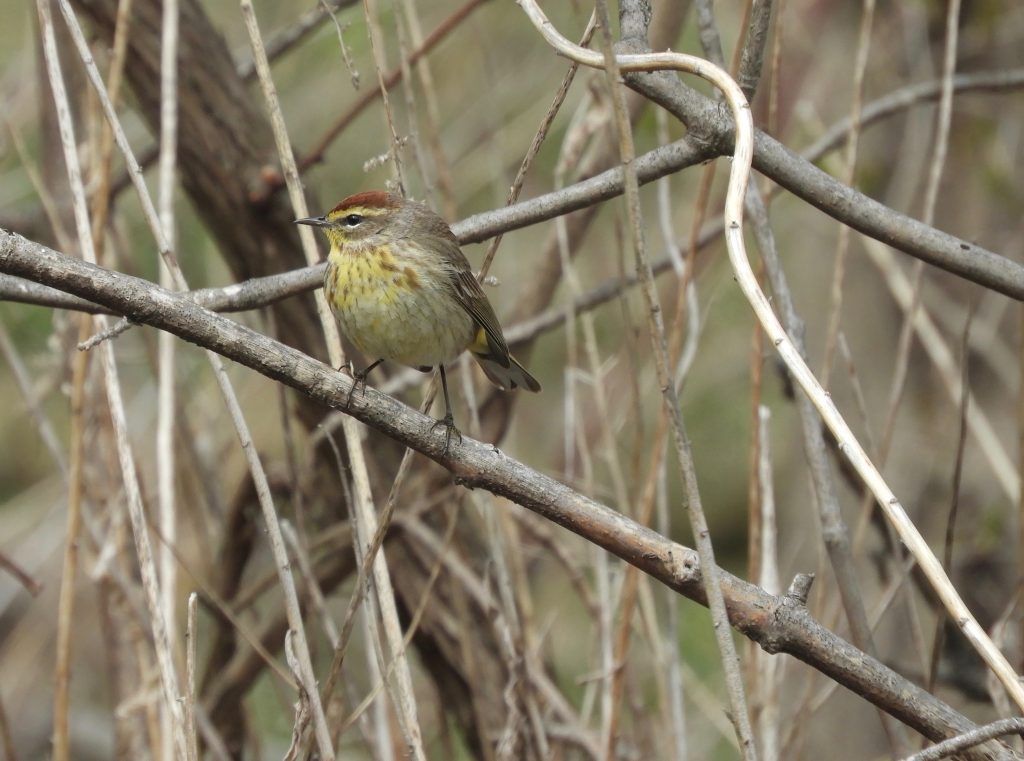
Palm Warbler

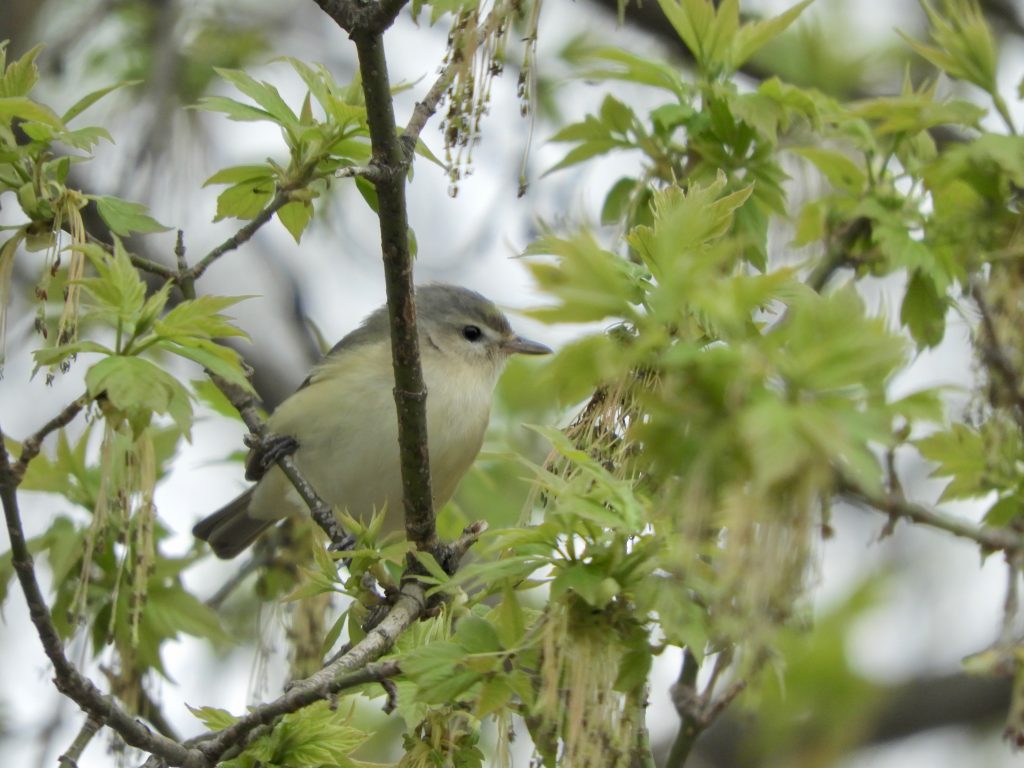
Warbling Vireo

Paletta Park, Burlington, ON. May 3rd 2021.  I skipped breakfast to visit this park before promised rain moved in. It wasn’t really the approaching rain that drove me so much as the knowledge that if I didn’t go and look, I’d be wondering all day what I’d missed. (FOMO – Fear of missing out.). And if I am there and it turns out to be a big bird day, well then, I’m there. 

I walked around the park a couple of times and could hear a few Baltimore Orioles singing loudly as always, a brief phrase of a dozen or so clear notes, but I could not see them. It was maddening and discouraging, maddening because surely they were right in front of me, but discouraging because some recent middle-ear problems mean that I am not sure I trust my hearing to pinpoint a sound source.

Yellow-rumped Warbler

This, May 3rd is THE day for Baltimore Orioles’ return, few species are as dependable about their check-in date. One or two always show up in the last week of April, it happens and I disregard them as aberrations. They should know May 3rd is their day and we expect them to be as reliable as Santa Claus on Christmas Eve.  So, I was happy to have heard them on their appointed day, but hearing is only half of it, seeing one soon became my morning’s mission. I dashed home for a quick breakfast turned around and came back.

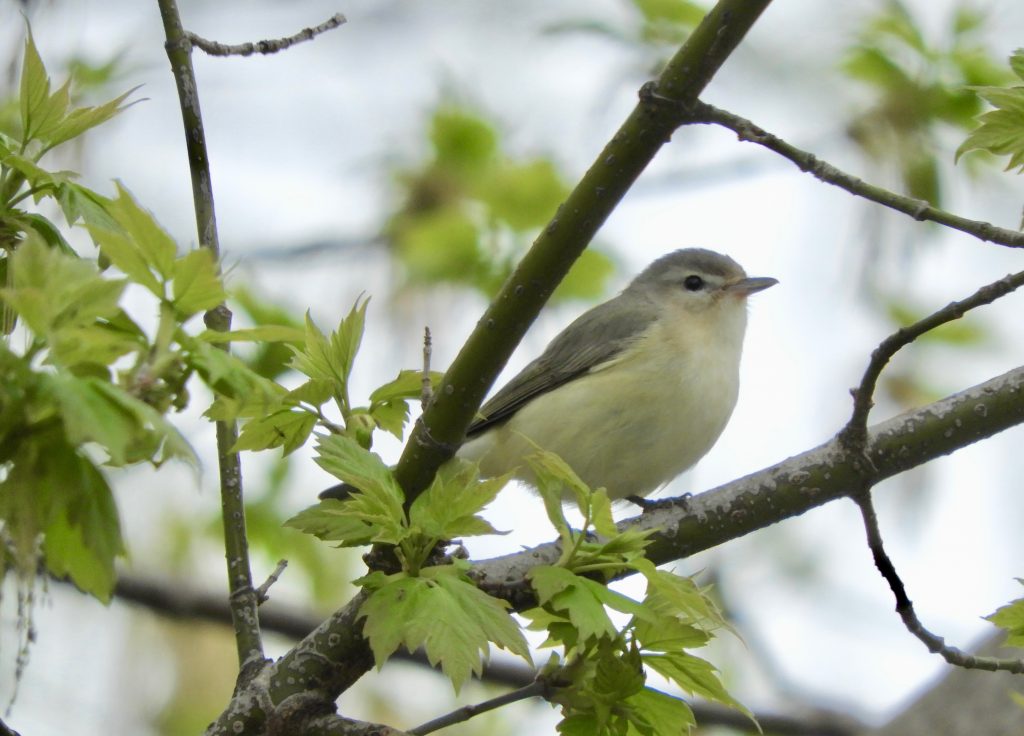
Warbling Vireo

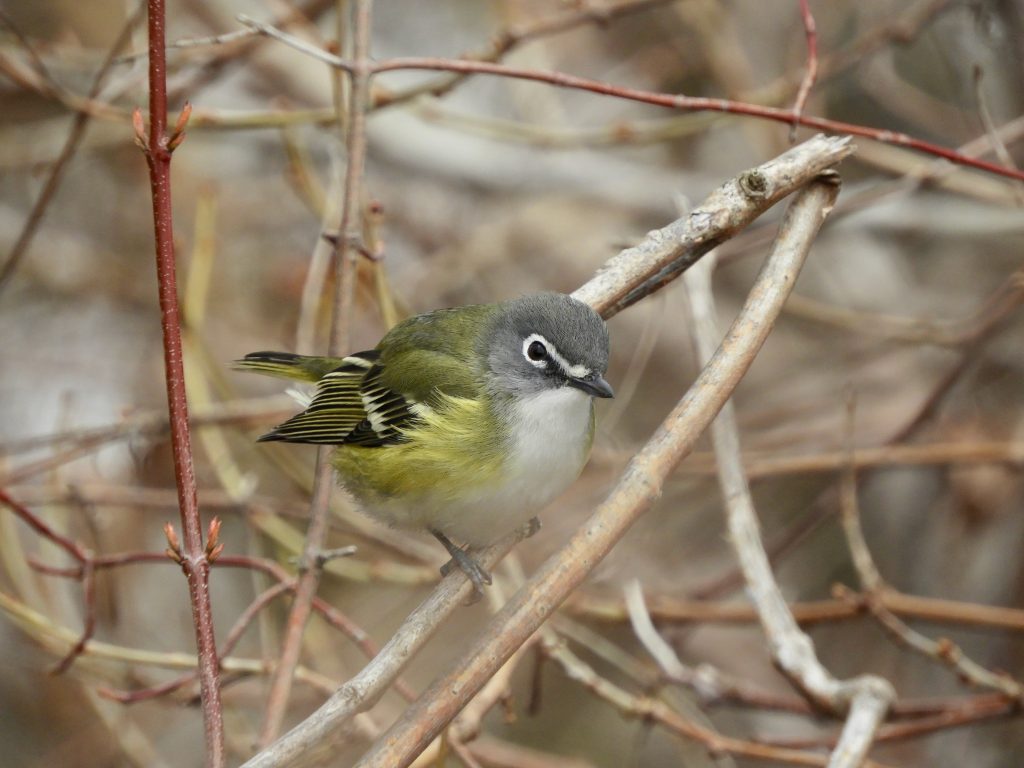
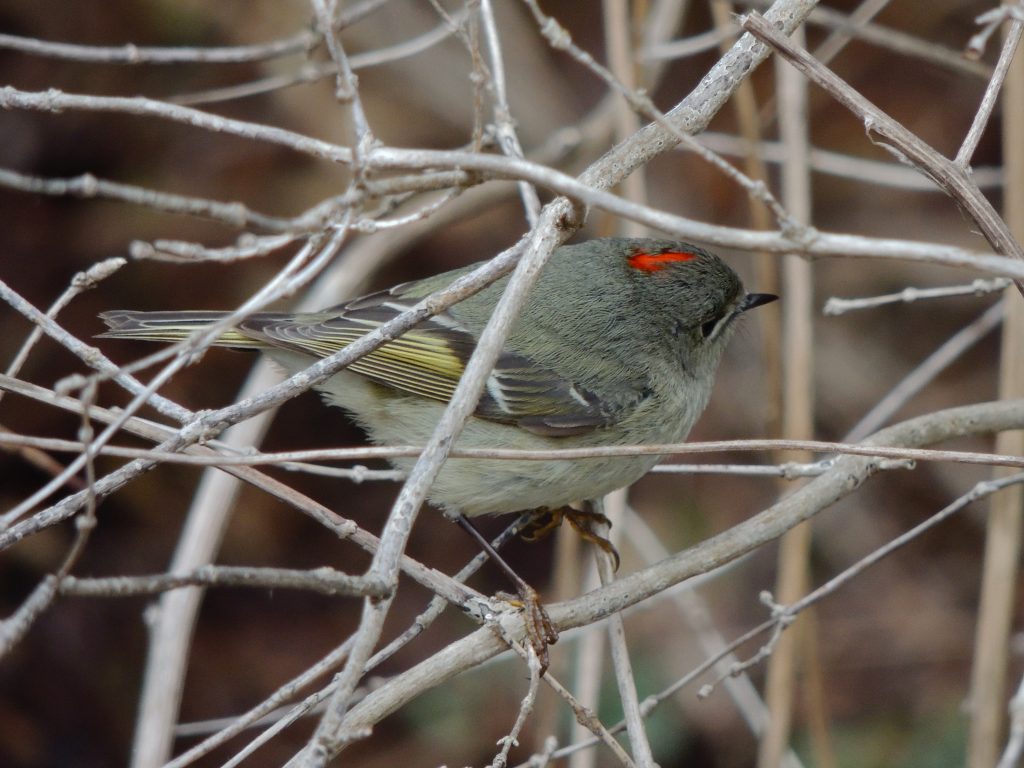
My return trip (rain still approaching) was more rewarding. I managed good looks at a few more migrants: Yellowrumped Warblers, Rubycrowned Kinglets and shy Swainson’s and  Hermit Thrushes in particular.  The high-overhead, rambling songs of Warbling Vireos made me feel warm right through, it is a song I associate with high summer, just hearing it made it My Bird of the Day.  A few minutes later I had the added bonus of a watching a couple of Blue Headed Vireos.  Regular readers will know I have a thing about vireos so I was really pleased to remake both acquaintances.

Blue-headed Vireo

But I was still in pursuit of the oriole and to cut a long story short I did eventually meet with success and got a for-the-record photo. Here it is.

Baltimore Oriole

Swallows

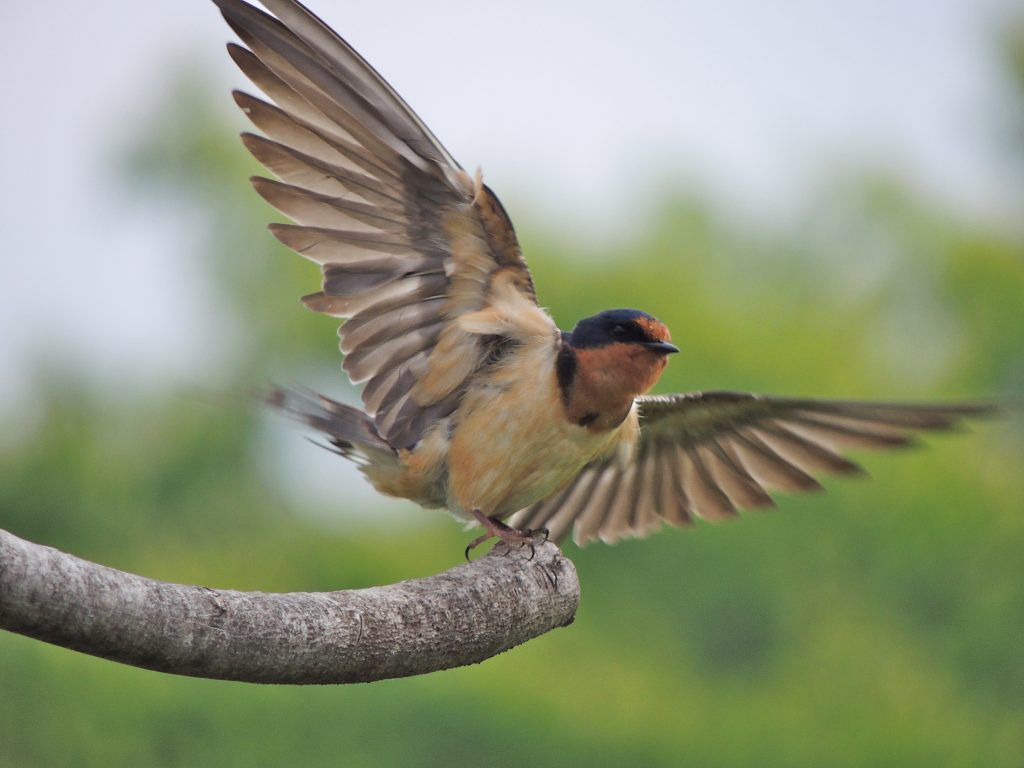
Barn Swallow on a June day

Paletta Park, Burlington, ON. April 29th. 2021.  The dreary-day context of this story is as important as its stars. I left home around 8.30 under a blanket of light fog knowing that rain was on its way. It was cool, not cold, but the kind of damp-cool that eventually finds its way into your bones and triggers shivers. 

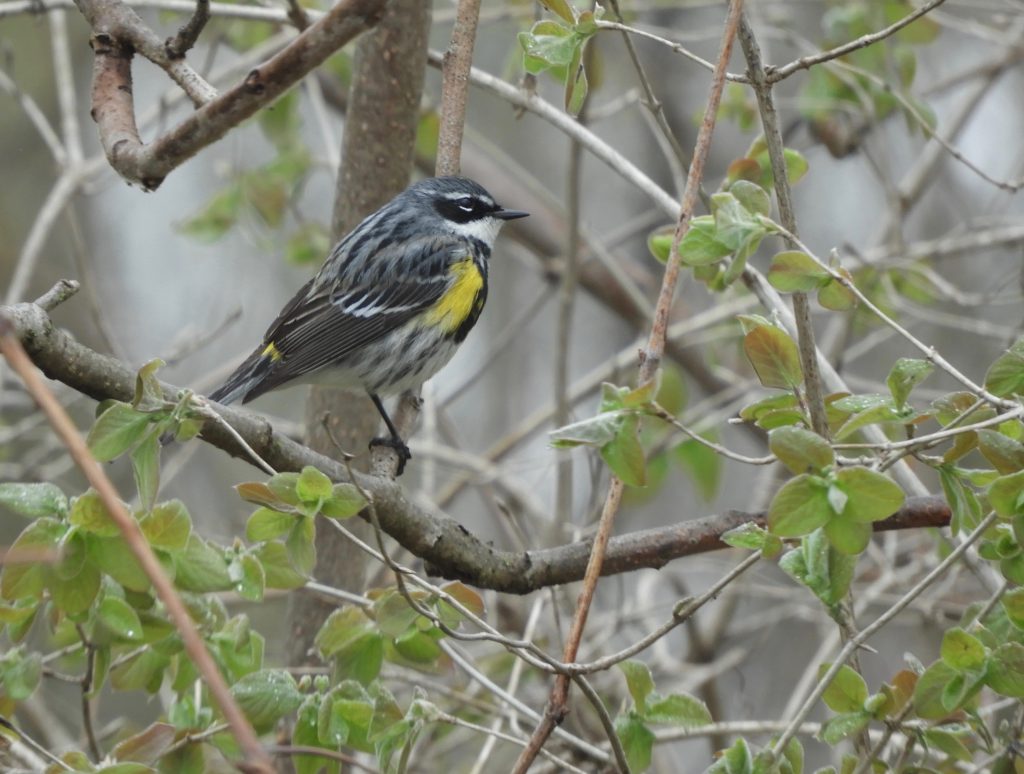
“Why go out?” you may ask. Well, fog in migration seasons can sometimes make very good birding days, it grounds birds that might otherwise fly over us. So I went to one of our spring-birding hot-spots and was rewarded with many first-of-the-year sightings and sounds.  Many Yellow-rumped Warblers worked the tops of one or two trees and the male in the photo above eventually made his way down to my level. There should be many more Yellow-rumps to come in the next two weeks, probably enough for us to become blasé about them, today they were a delight as befits a pretty and handsome little bird.

I could hear the single note call of a Baltimore Oriole but couldn’t find it although I was sure it was very close, a little frustrating, but they too will be plentiful very soon.  Another heard-but-not-seen was a Northern Waterthrush, singing its sharp and choppy song from deep in a tangle of old and flattened vines, again I searched and stared, but nothing.

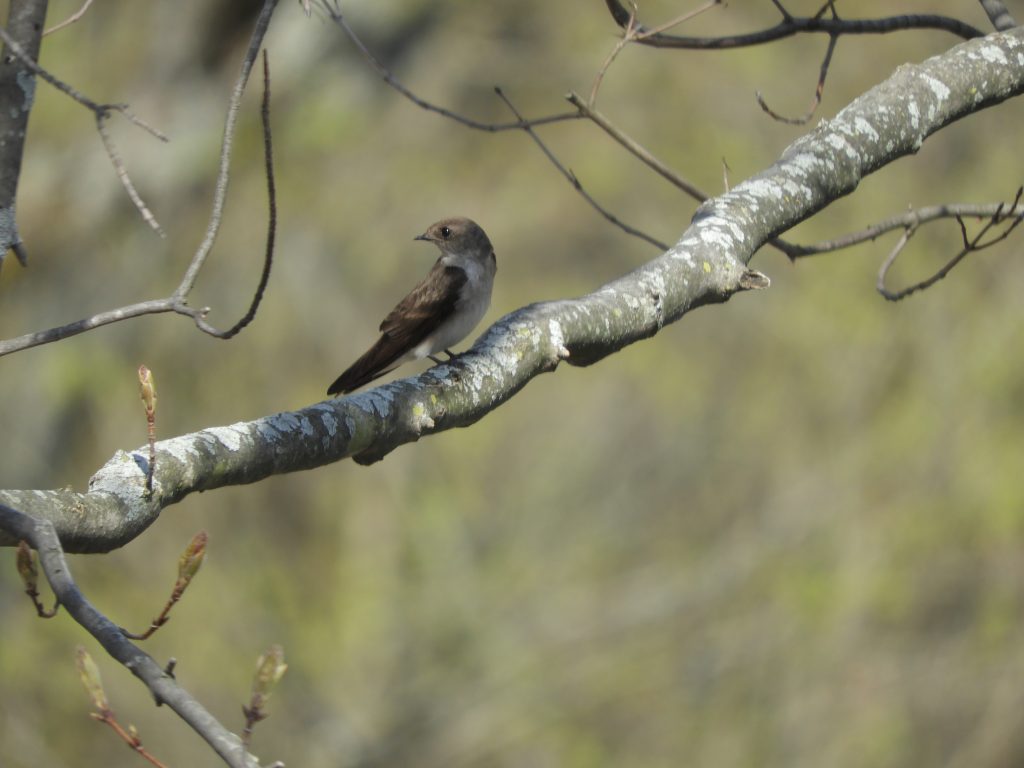
We were turning to leave when I spotted a solitary inconspicuously dark grey bird sitting quietly minding its own buisness. A moment or two’s discussion with a fellow birder and we figured it was a Northern Roughwinged Swallow, probably the least visually attractive of all of our summer swallows.  To illustrate the point, here’s one that I photographed last year, a very plain-looking bird.

Still, this is a migrant who has flown not less than 3,000 Km. from coastal Mexico or anywhere else in Central America to get here. A long journey by any measure, and it has arrived to a cool and damp day relying on there being enough flying insects around to keep it fuelled. 

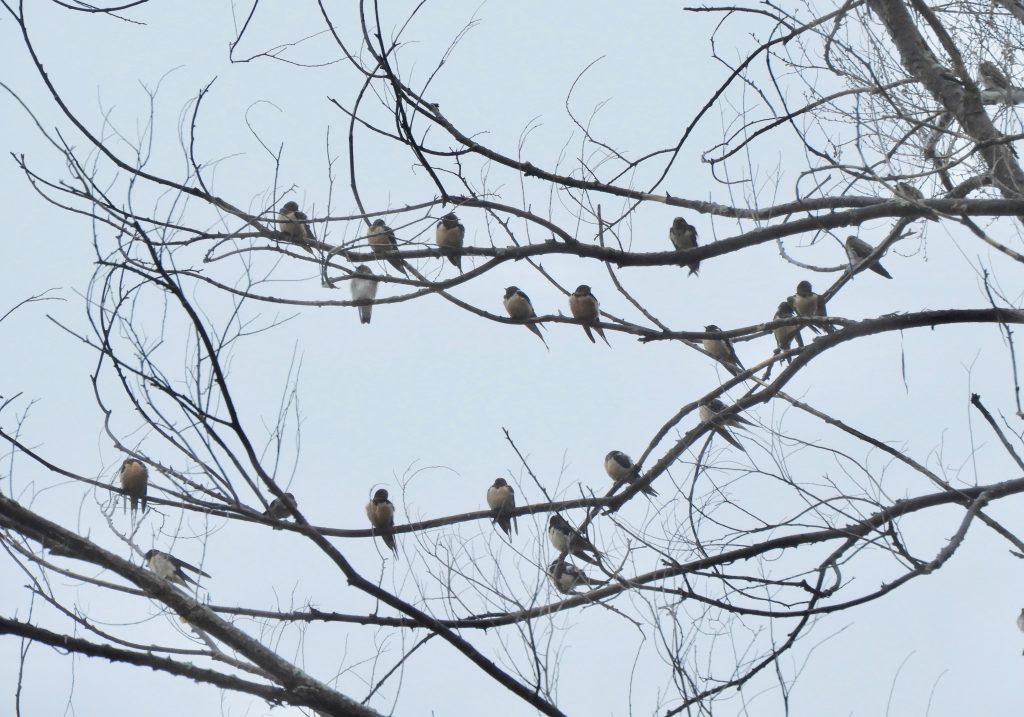
Moments later it took a short flight to a bare tree at the waterside where it sidled up to a handful of other swallows. Binoculars again, and I could see the group was a mix of Barn Swallows and Rough-wings. The Barn Swallows could have journeyed even further, at least 4,000 Km.  anywhere from Central America to Patagonia.

And yet as I watched, more swallows appeared from the foggy lake. They must have flown across at least 6Km. to make this landfall, in zero visibility. They all gathered on that same tree, preening, wing-stretching and whispering welcome to each new arrival.

Think of almost anywhere between Lake Ontario and Costa Rica, and these birds have flown over and past it in the last two or three months.  Almost any aspect of that journey and the fact that they have made it (with maybe a few hundred kilometres to go) is more than enough to make swallows My Birds of the Day.

Great Blue Heron

Hickory Valley, Royal Botanical Gardens, Hamilton ON. April 28th.2021. Last night was supposed to be wet and unsettled with thunderstorms, but it didn’t happen. There was nothing likely to spoil a morning birding. I followed one of our transect routes and was pleased to find many Ruby-crowned Kinglets hanging on slender twigs gleaning for an insectivore’s meal, Whitethroated Sparrows scratching in leaf litter and Blue Jays rushing back and forth with the sole purpose of making counting them impossible. It was clear that here had been a strong overnight migratory push and birder-news trickling in from around the area confirmed it.

Ruby-crowned Kinglet

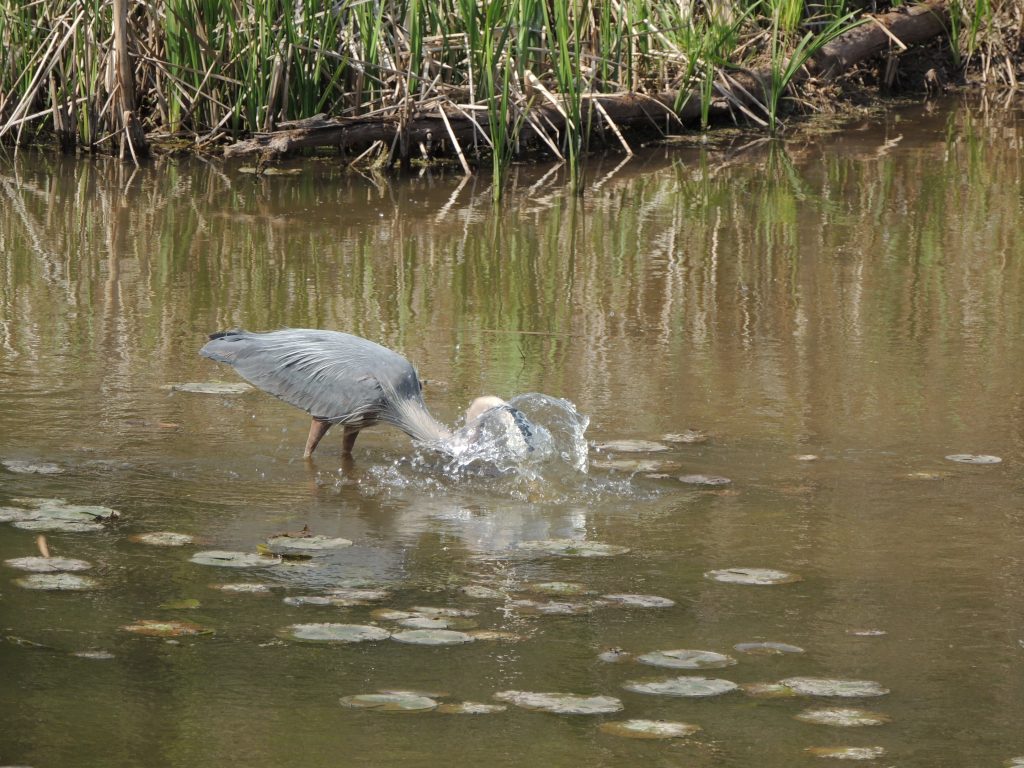
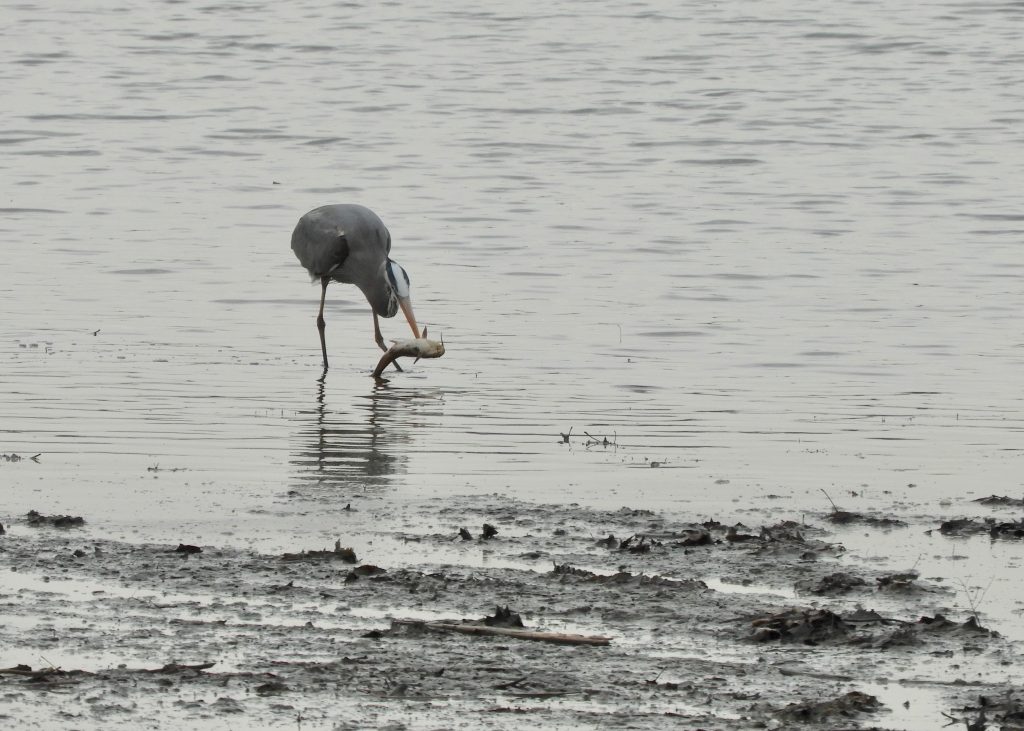
I was happy enough with our walk though, spiced as it was by brief sightings of a Pileated Woodpecker and a couple of Pine Warblers. But I think the best of the day was this Great Blue Heron with a meal-size Brown Bullhead (a species of catfish).

You know the way a domestic cat will capture and play with a mouse, giving it hope of release but is never quite serious about it? I think the heron was doing much the same thing. It wanted to play some more although there was no sport to be had, the fish had given up by now.  Maybe periodic dunkings just kept the meal fresh.

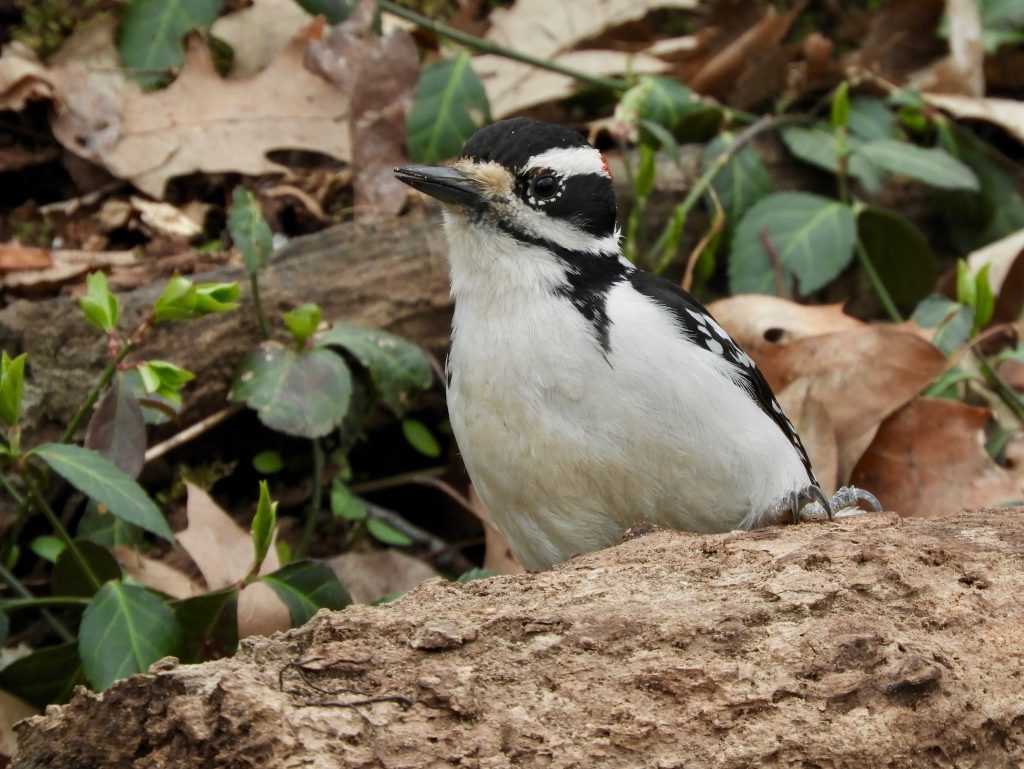
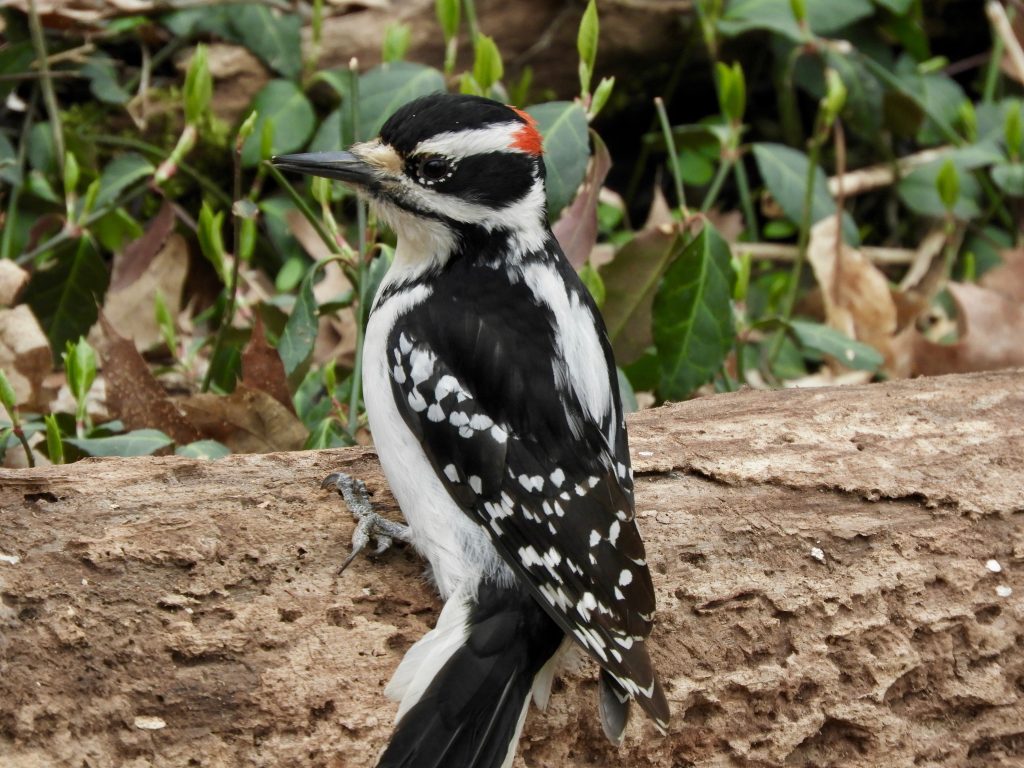
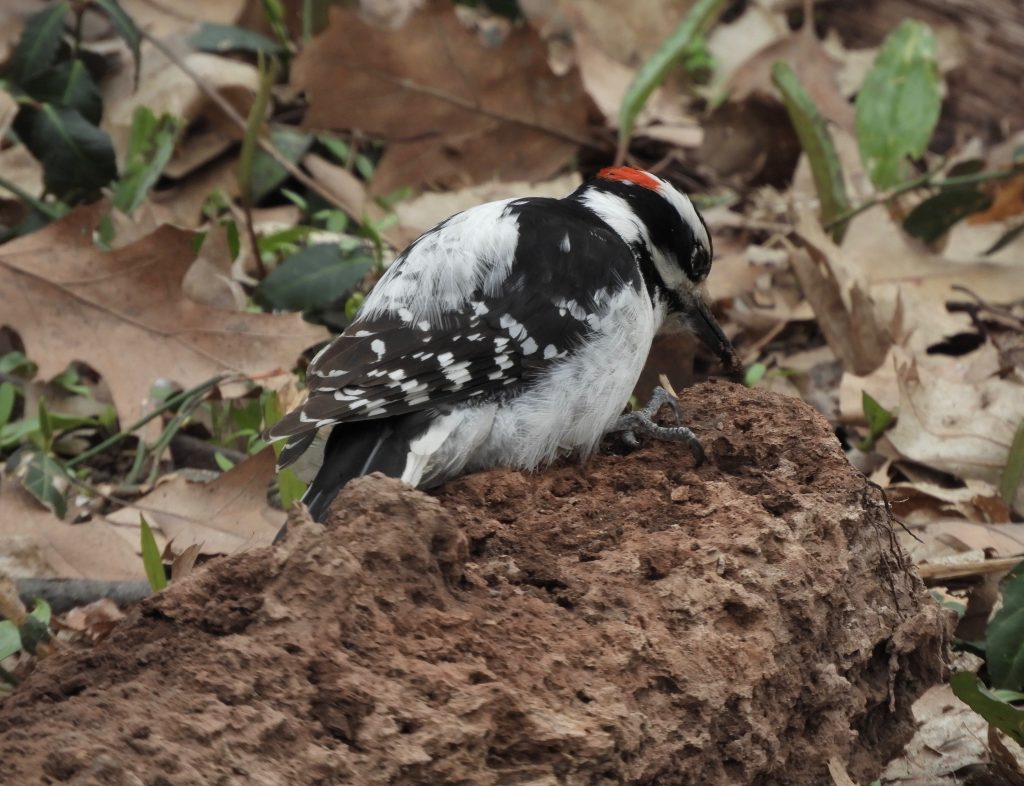
Hairy Woodpecker

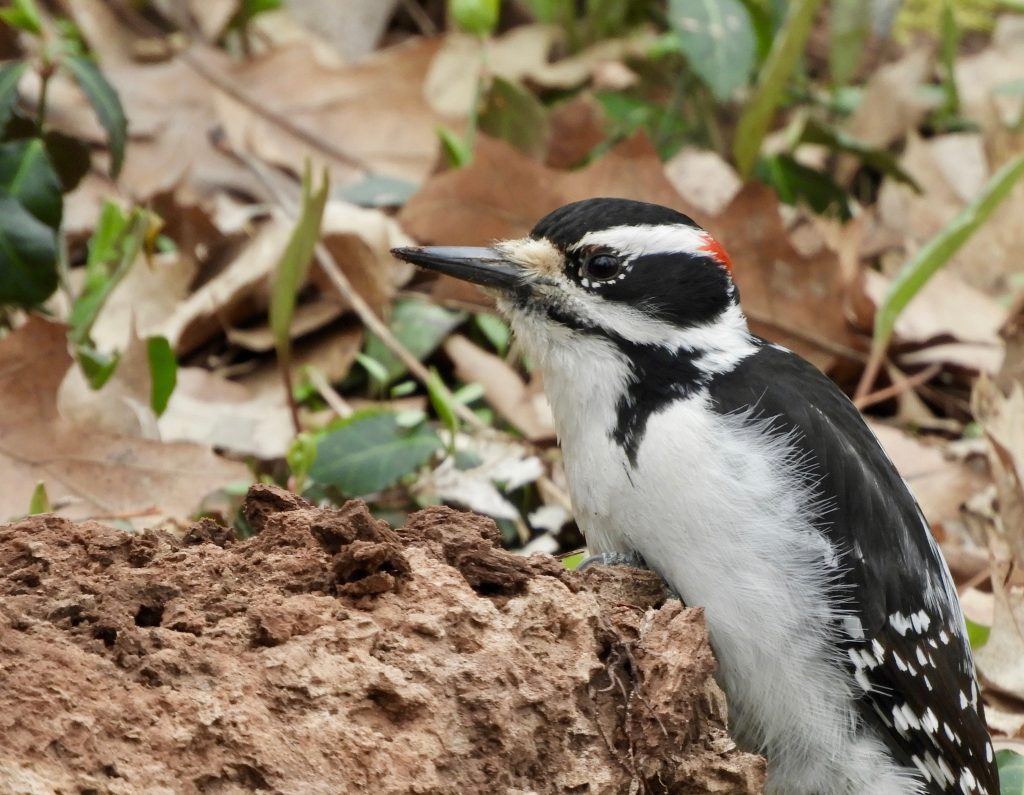
RBG. Hendrie Valley, Burlington ON. April 20th.2021. Half of birding is having the advance knowledge to anticipate what might be present; the other half is the luck of an out-of-place surprise or unexpected attention-getter. I had one of those attention-getters this  afternoon, this Hairy Woodpecker, it popped up right in front of me. Not that it was out of place, it was just minding its own business creating for me an encounter worth taking time to enjoy.

It came about when I was making an afternoon circuit of one of our transect routes. The day was turning chilly with snow expected overnight, the product of a two-day cold front on its way. It’s a reminder that April is a creature born with one foot in the remnants of winter.  The circuit was little bit discouraging although a trio of Ospreys were interesting.

The Ospreys had discovered a young Bald Eagle who was trying to stay out of sight and they were letting it know that it was unwelcome. It’s the continuance of an inter-species grudge that I suspect goes back a long way.  Some years ago, I watched three Bald Eagles, an adult leading two juveniles, in a purposeful chase of an Osprey that had just caught a large fish. The eagles soon caught up to the twisting and turning Osprey which, perhaps as a result of hard lessons learned, chose to let go of its fish. I expected the eagles to make a mid-air catch, but instead the fish fell several hundred feet to the river below and, as far as I could see, that was the end of it. Perhaps if the fish survived its initial capture and the fall, there was a happy ending; but there seemed to be nothing in it for either Osprey or eagles.  Just a grudge match. 

But back to the woodpecker.

As I progressed along a quiet but well-worn woodland path I noticed this Hairy Woodpecker absorbed in the business of bashing a decaying log to pieces. It must have been well worth his while because my approach meant nothing to him. In the end I was able to sit a few metres away and watch. I know from the recorded time on my photos that I watched for sixteen minutes at least– a long time in the fleeting-moments world of birding.

Hairy Woodpeckers are common enough and rarely hold our attention for long, but this one, a male by the red patch on his nape, is in his prime and I took 180 photos  (although deleted 158 when I got home), here are a few of the keepers. He is a handsome creature, well fed, probably matched with a mate and in charge of his corner of the woodpecker world, and My Bird of the Day today.