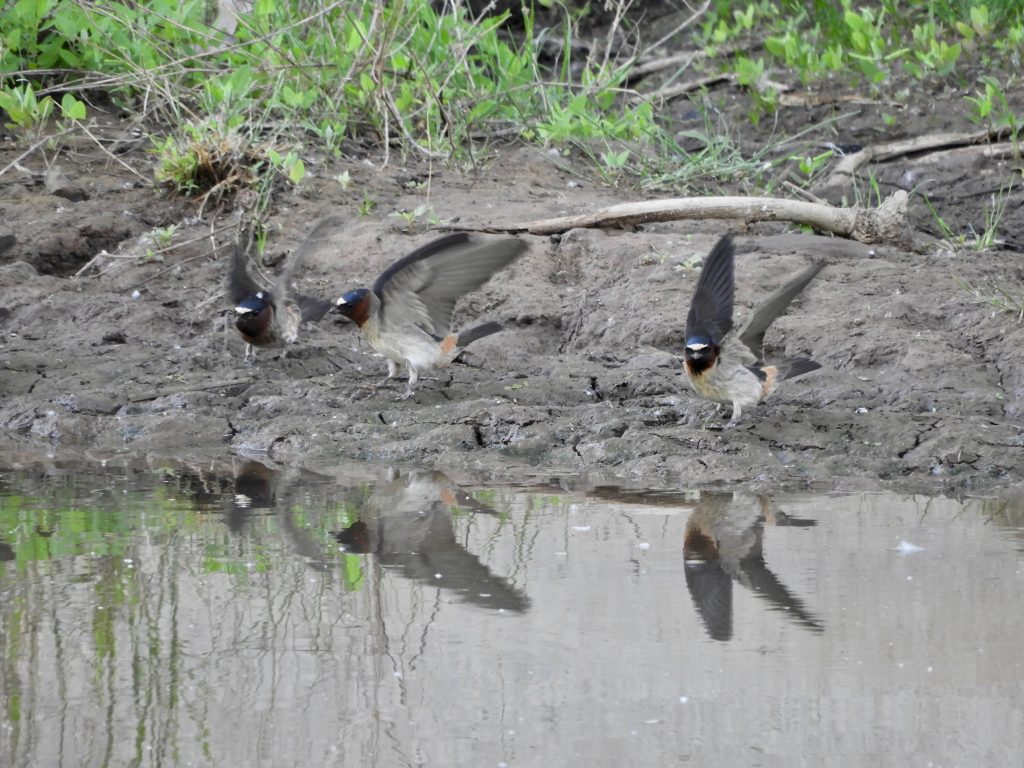
Royal Botanical Gardens. Hendrie Valley, Burlington. ON. July 19 2022. I walked the length of my favourite valley early this morning and it was nice. I use that word with some hesitance for I remember teacherly admonitions to avoid ‘nice’ the adjective. I was instructed that nice is bland and limp, and a weak choice, but it was nice in the valley. Now with the reproduction frenzy of May and June behind us, everything in the bird world seemed to be at peace, a place for everything and everything in its place.
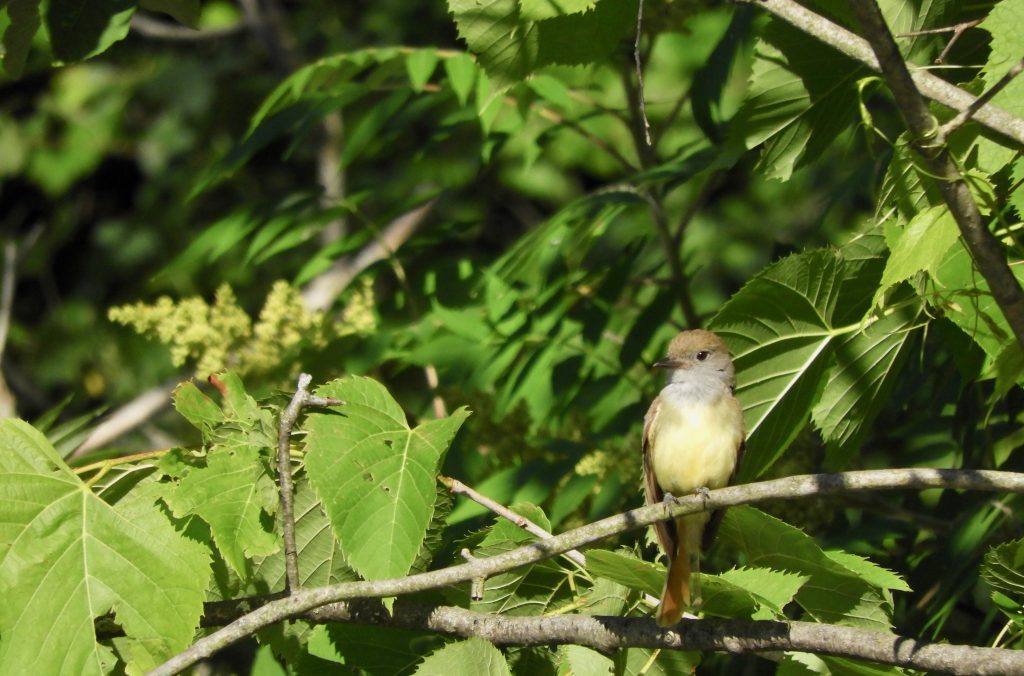
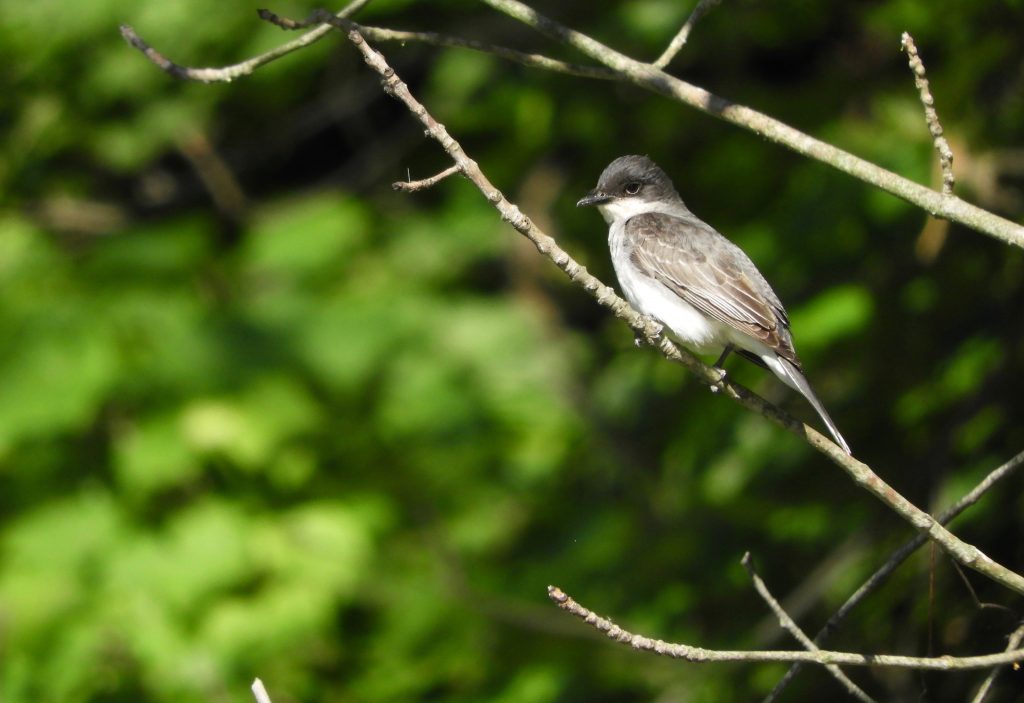
It was a time of simple sightings and no drama. A few Eastern Kingbirds flycatching and a Great Blue Heron fishing for breakfast. Tree Swallows gossiping on open branches, a Green Heron passing overhead and Warbling Vireos singing among the high layers of American Sycamores.
As I ambled a path that runs parallel to the creek I heard the thin I’m-watching-you ‘pip’ note of a Northern Cardinal. I soon found him just above me and saw one of birding’s curiosities, a bare-headed cardinal. He’s molting.
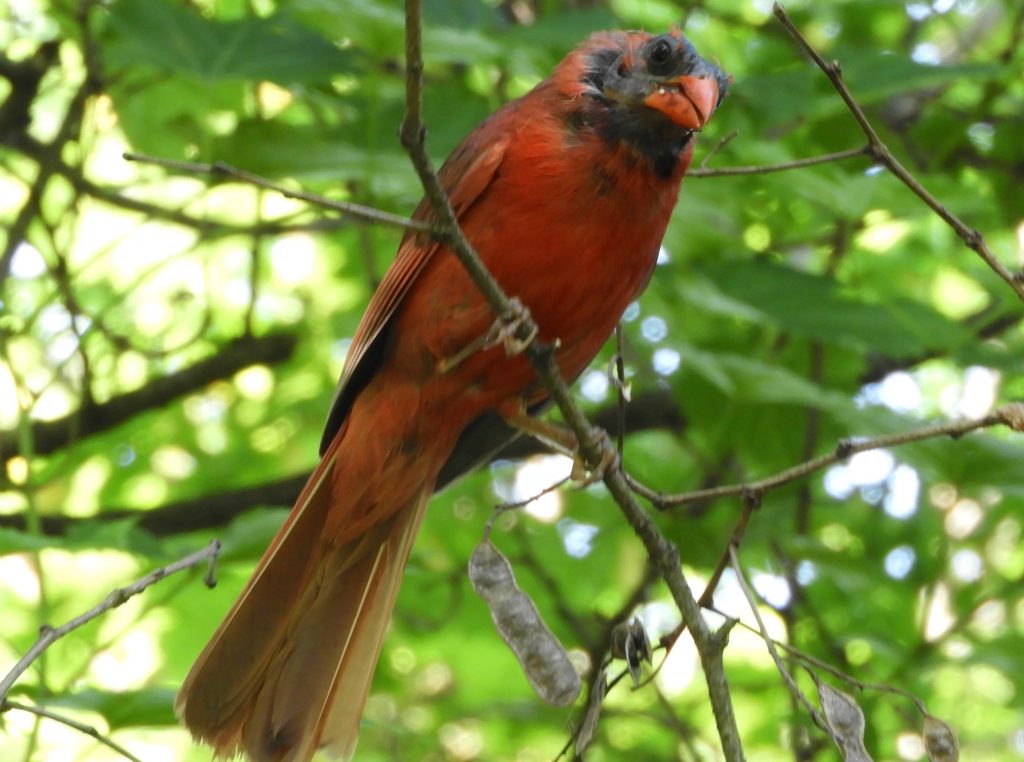
Molt is the pre-programmed shedding of worn feathers and their replacement with new. At its simplest it’s just that birds change their clothes too, but the variables and complications are many. It is a complex area of study: males of many species have an eye-catching breeding plumage but some molt into glory in the weeks or months just before spring, while others do so a full six to nine months ahead of spring. Why the difference? Some large birds don’t do a complete molt every year at all, because growing feathers demands too much energy. Some species go through several intermediate molts before reaching full adulthood, and many ducks, geese and swans molt out their long flight feathers and are unable to fly for a period.
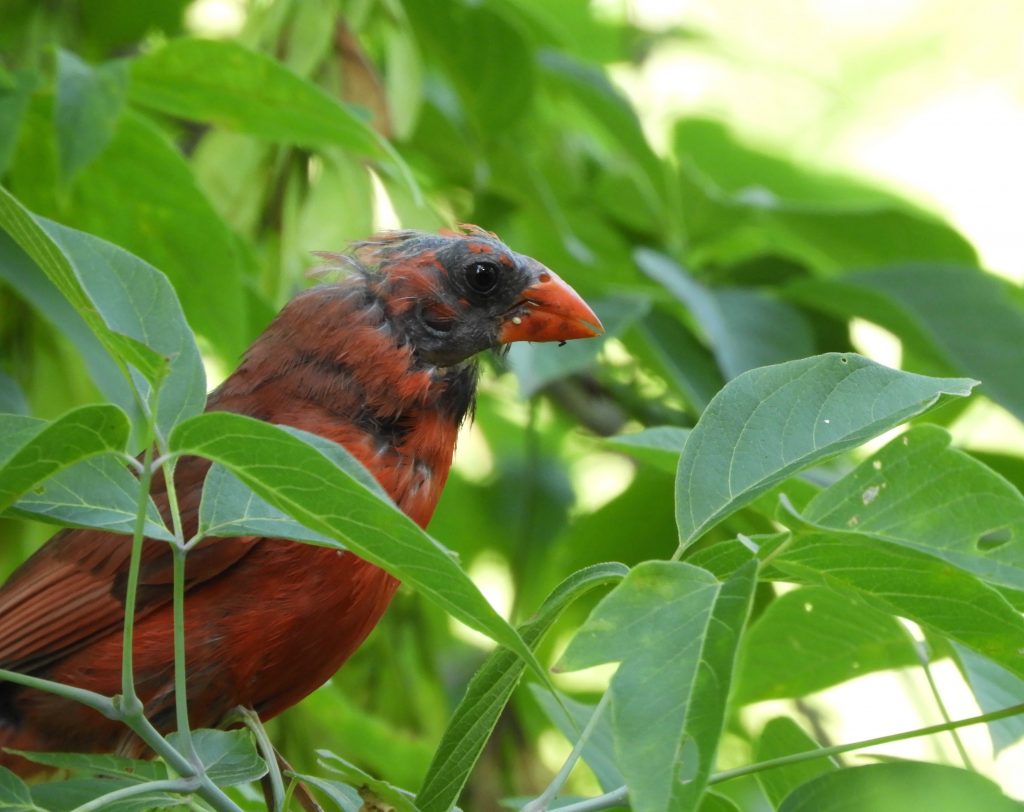
Curiously, some individual Northern Cardinals and Blue Jays have a way of molting into a bald-headed state for a short while. Such baldness is uncommon and usually prompts a flurry of alarms and queries among local birding groups. Naked like that they’re strikingly ugly, I’m sure I see their dinosaur lineage, and who would have imagined that cardinals have grey/black skin under their brilliant red plumage. I wonder (and I have no idea) whether it’s a coincidence that the heads of both cardinals and jays have prominent feathered crests. He was my un-feathered Dinosaur of the Day.
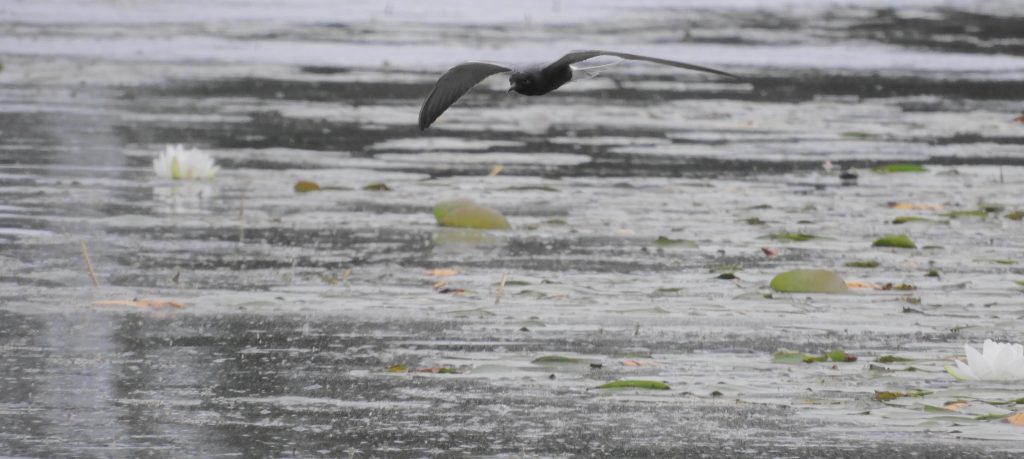 Port Perry, ON. July 8 2022. While a car full of adults might ignore hunger pangs for a while, a nursing 8-month old is almost certain to call for immediate satisfaction. It was exactly that set of circumstances that broke our longish journey into several parts today, happily we made each stop somewhere green, shady and mosquito-free.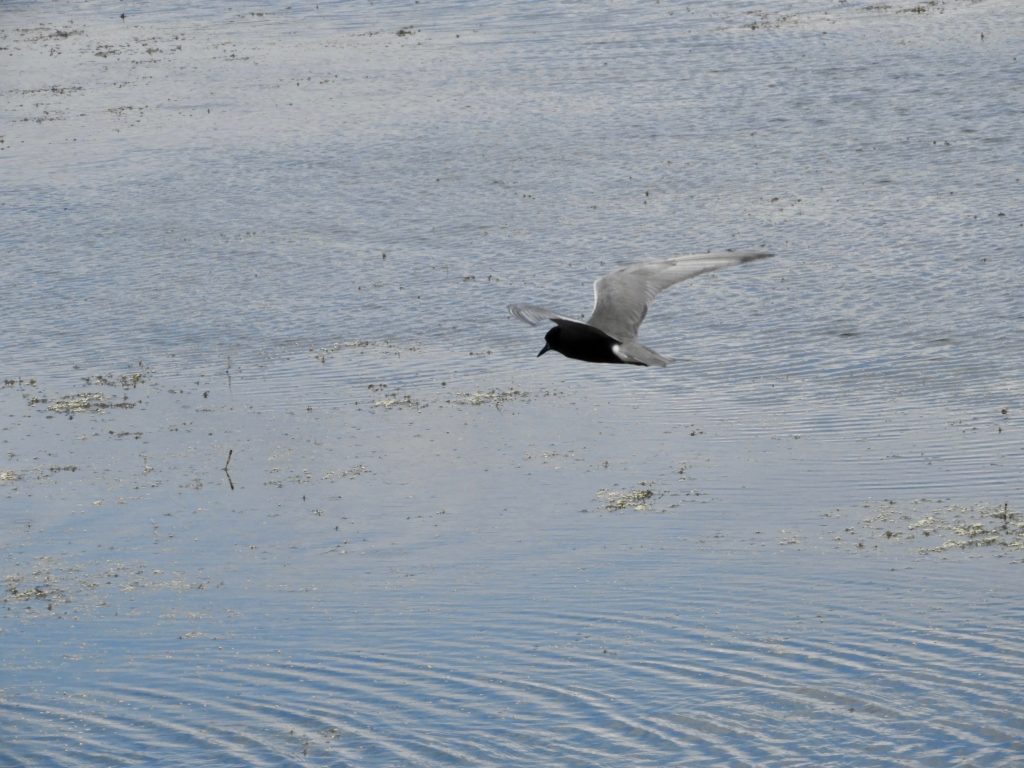
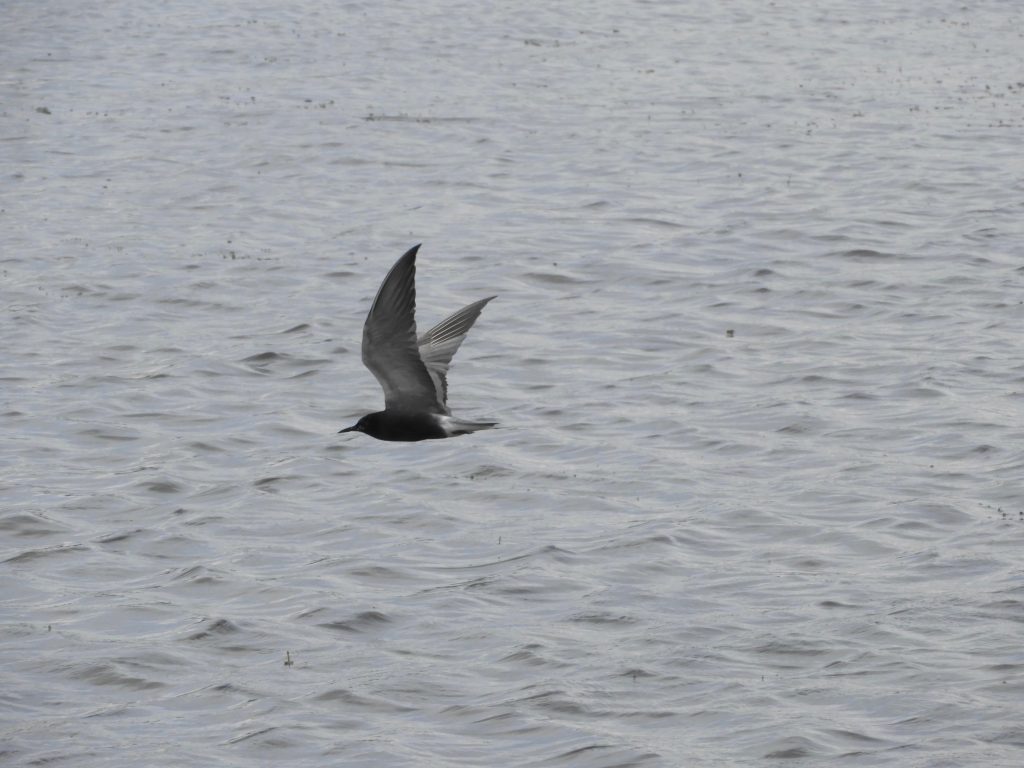
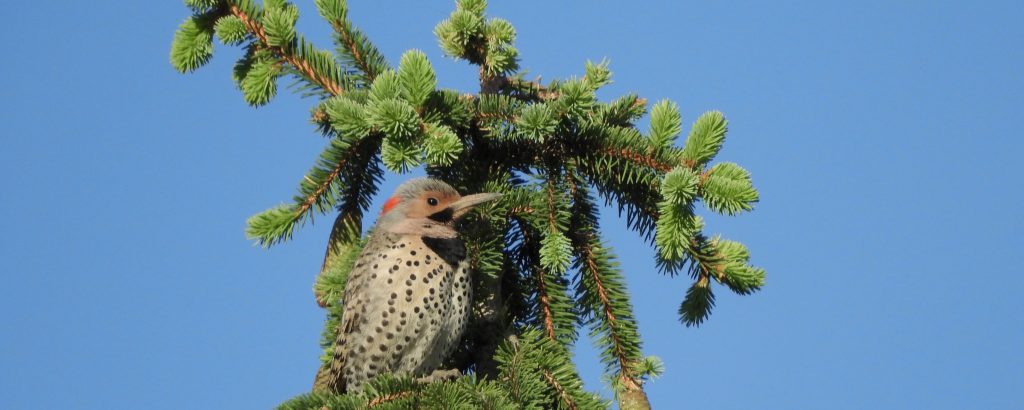 Burlington Bay, ON. June 17 2022. A week or two ago I walked a stretch of overgrown and unloved beach. It can be interesting birding but the charm is rather diminished by the washed-up litter, plastics and boating paraphernalia. It is tangled and overgrown with non-native vegetation, mostly it seems plants that produce seeds-that-cling, things like Common Burdock and Rough Cocklebur.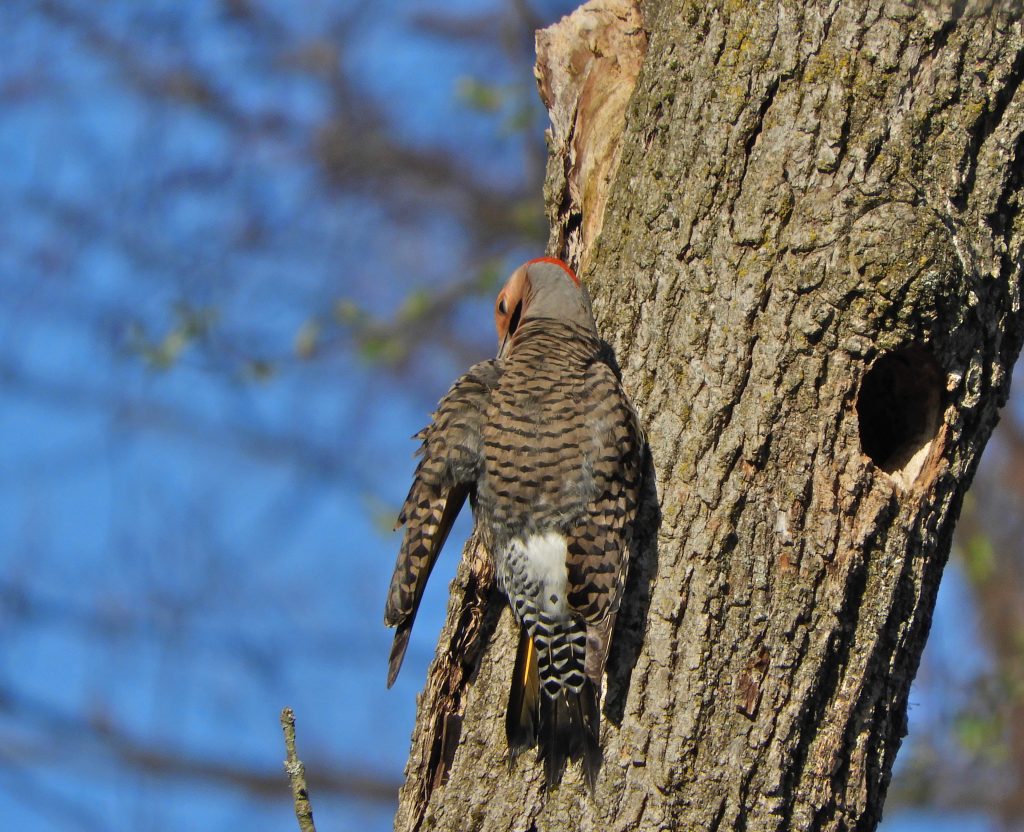
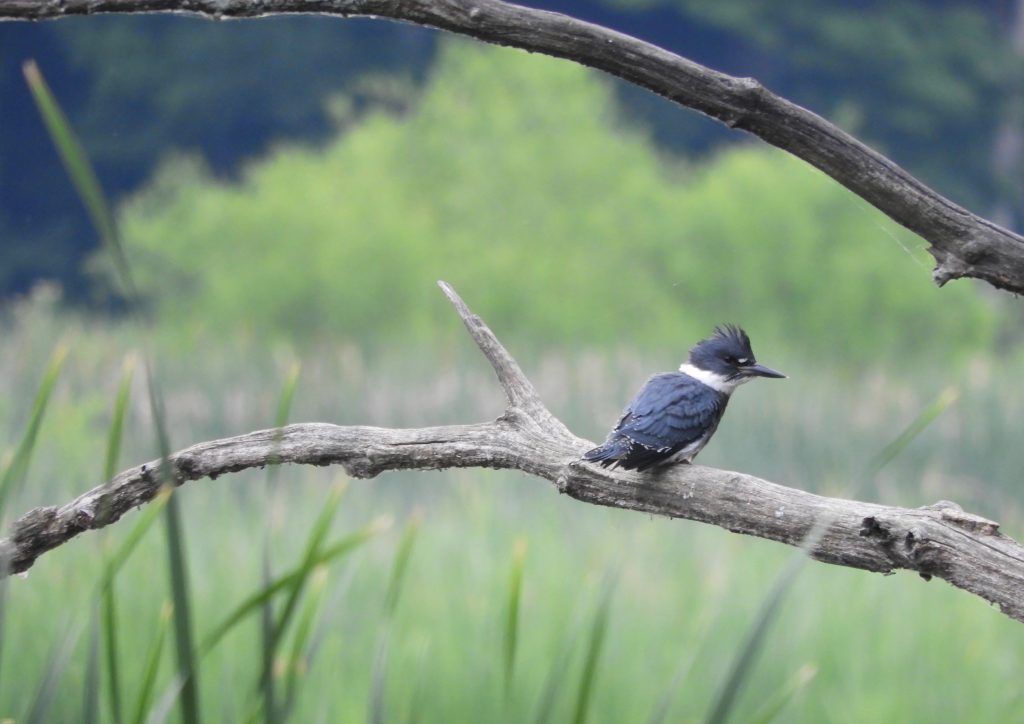
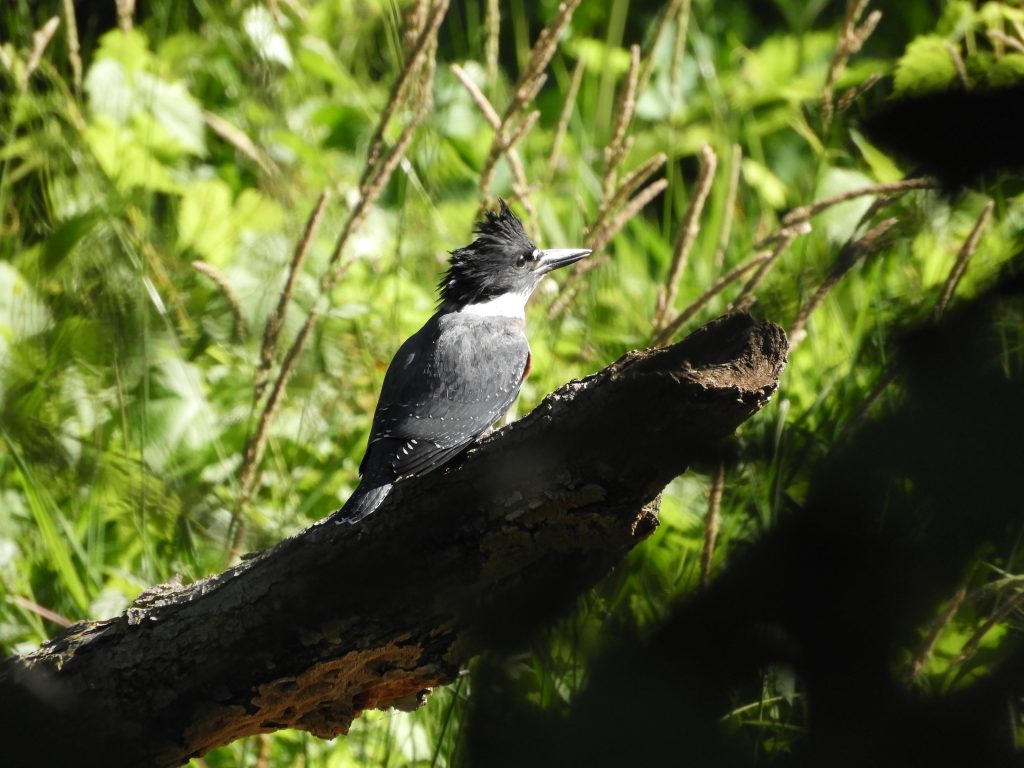
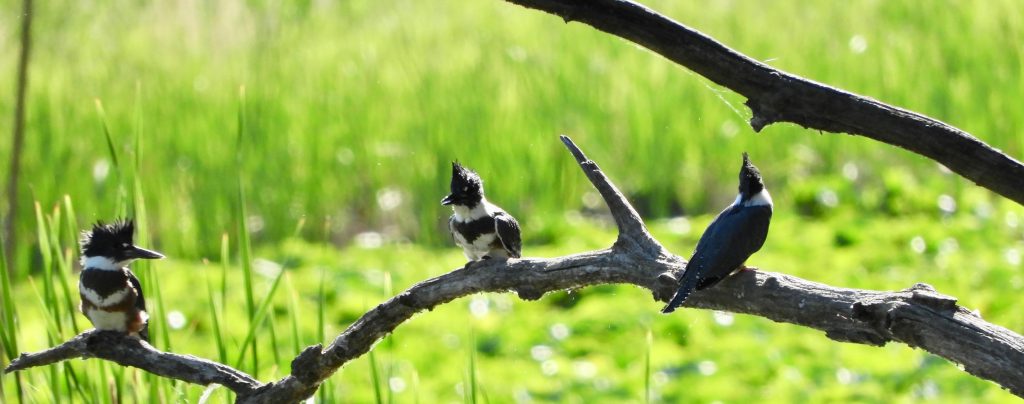 Royal Botanical Gardens. Hendrie Valley, Burlington. ON. June 24 2022. A gorgeous mid-summer morning and I was up and out early to hike the valley; once again looking for evidence of breeding birds. I made a little progress by confirming the presence of fledged young, in this case Belted Kingfishers.